Dream Feed Guide: What It Is, How to Do It, and When to Stop
What a dream feed is, how to offer a 10–11 pm milk feed without waking your baby, and when to wean off it between 4 and 9 months.
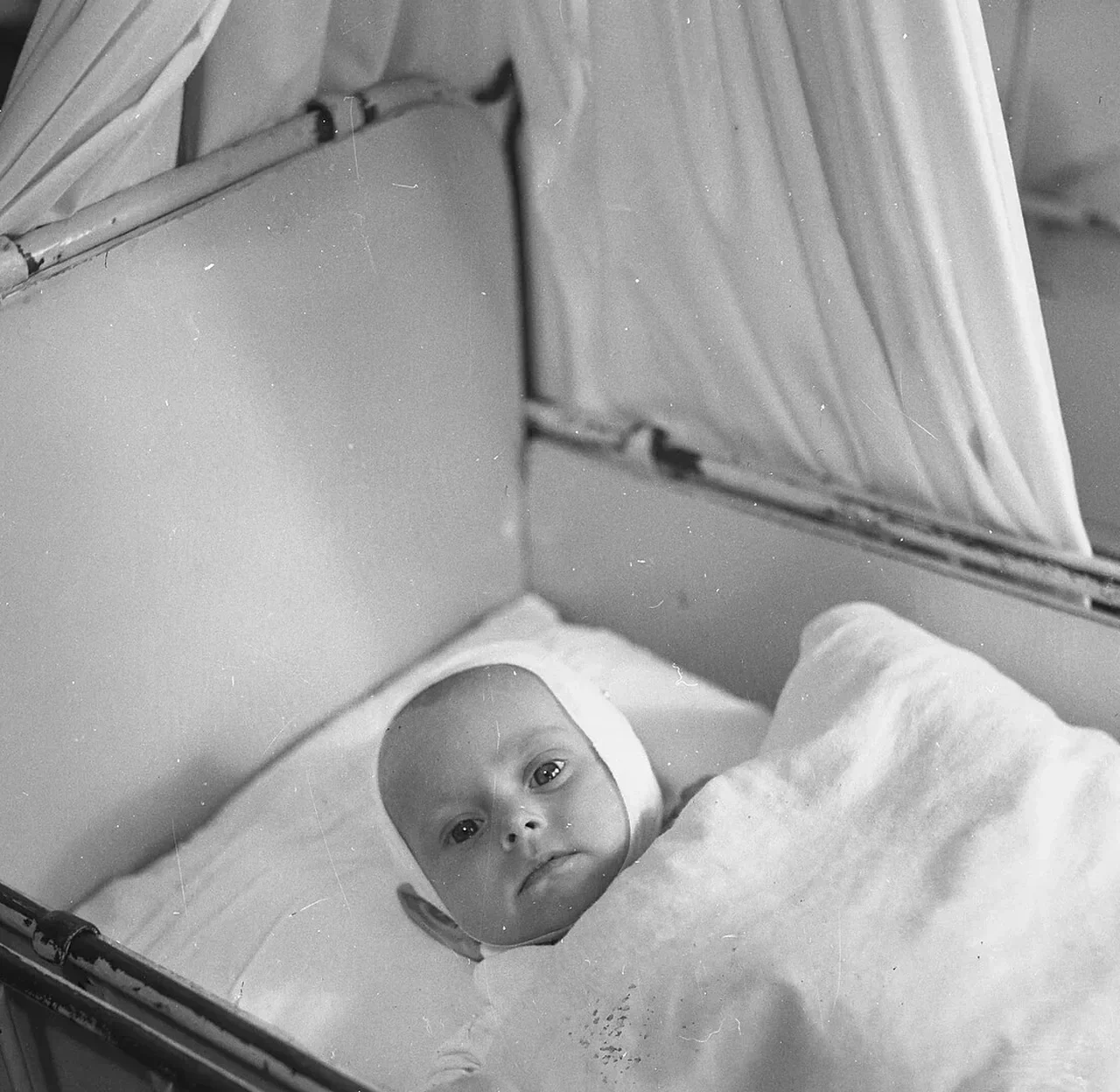
Quick answer: A dream feed is a gentle, parent-initiated milk feed given between 10:00 pm and 11:00 pm while your baby remains mostly asleep, shifting their longest 5-to-8-hour sleep stretch to align with your own night. It works best for babies aged 3 weeks to 4 months and is typically weaned between 5 and 9 months.
10–11 pm
Ideal dream-feed window
Typically 2.5 to 3.5 hours after a 7:00–8:00 pm bedtime.
3w–4m
Sweet-spot age band
Before mature N1 light-sleep stages make rousing disruptive.
10–15 m
Target feed duration
Calm, dim-room intake followed by a gentle upright hold.
5–9 m
Window to drop the feed
Taper by 30 ml (1 oz) or 2 minutes every two nights.
Many infants between three weeks and four months old naturally produce their single longest stretch of uninterrupted sleep during the first block of the night—often from 7:30 pm to 12:30 am. That five-hour stretch is physiologically impressive, but if parents stay awake until 10:30 pm finishing dinner and chores, they only capture two hours of rest before the baby wakes hungry at half past midnight.
A dream feed shifts that longest sleep block forward by two to three hours. Below is the clinical explanation of how reflexive drowsy feeding works, step-by-step instructions for executing a dream feed without rousing your baby, age-by-age volume targets, and the exact signals that tell you when a dream feed has stopped helping.
What Is a Dream Feed and How Does It Work?
Definition: A dream feed is a parent-scheduled late-evening milk feed offered between 10:00 pm and 11:00 pm—roughly 2.5 to 3.5 hours after bedtime—while an infant remains in a drowsy or light-sleep state, using the neonatal rooting and sucking reflexes to top up stomach volume without full cortical arousal.
During the first three to four months of life, infant feeding reflexes remain active during rapid-eye-movement (REM) and light non-REM sleep. When a nipple or bottle teat brushes the lower lip, the baby latches, sucks rhythmic bursts for 10 to 15 minutes, and returns immediately to sleep once placed flat on their back.
In a landmark randomized controlled trial by Pinilla and Birch published in Pediatrics (PubMed), introducing a scheduled focal feed between 10:00 pm and midnight alongside gradual night-waking delays significantly lengthened the midnight-to-5:00-am sleep stretch by eight weeks of age in healthy term infants.
If you are mapping out your baby’s full 24-hour rhythm, start with our newborn sleep schedule by week guide or test bedtime timing in the wake window calculator.
Which Babies Benefit From a Dream Feed (And Which Do Not)?
A dream feed is a tool, not a mandatory milestone. Whether it extends your night depends on your baby’s age, sleep architecture, and digestive comfort.
- Strongest candidates (3 weeks to 4 months): Healthy term infants who have regained birth weight, already take a predictable evening bedtime between 7:00 pm and 8:30 pm, and wake for hunger around midnight or 1:00 am.
- Wait before starting (0 to 2 weeks): In the first two weeks, newborns feed on demand every 2 to 3 hours around the clock and have not yet established a distinct evening bedtime. Follow paediatric weight-gain guidance first.
- Proceed with caution (4.5 to 8 months): Once the four-month sleep regression reorganizes sleep into four adult-like stages (
N1, N2, N3, REM), lifting a baby out of the crib at 10:30 pm can pull them abruptly out of deep slow-waveN3sleep. In roughly half of older infants, that interruption causes more waking between midnight and 4:00 am rather than less. - Contraindications: Infants with significant gastro-oesophageal reflux who require 25 to 30 minutes of upright holding after feeds, or babies who wake fully and take 45 minutes to resettle whenever touched.
| Age Band | Typical Bedtime | Dream-Feed Clock Window | Target Intake / Duration | Expected First Night Stretch After Dream Feed |
|---|---|---|---|---|
| 3–6 weeks | 8:00–9:00 pm | 10:30–11:15 pm | 60–90 ml (2–3 oz) or 10–12 min nursing | 3.0 to 4.5 hours (until ~2:30–3:30 am) |
| 6–12 weeks | 7:30–8:30 pm | 10:00–10:45 pm | 90–120 ml (3–4 oz) or 10–15 min nursing | 4.5 to 6.5 hours (until ~3:00–4:30 am) |
| 3–4 months | 7:00–8:00 pm | 9:45–10:30 pm | 110–150 ml (3.5–5 oz) or 8–12 min nursing | 5.5 to 7.5 hours (until ~3:30–5:30 am) |
| 5–7 months | 7:00–7:30 pm | 9:30–10:15 pm (if kept) | Tapering down by 30 ml (1 oz) every 2 nights | Transitioning to uninterrupted 10–11h night |
| 8+ months | 7:00–7:45 pm | Not recommended | Shift all milk into daytime wake windows | 10.5 to 11.5 hours overnight |
How to Do a Dream Feed Step by Step Without Waking Your Baby
The goal of a dream feed is zero social interaction and minimal sensory change. Treat the room as if it is 2:00 am.
- Prepare the bottle or nursing station outside the nursery at 10:00 pm: Warm the bottle, unlatch your nursing bra, and silence your phone before opening the bedroom door so there is no clinking, bright screen glare, or delay once you lift your baby.
- Lift your baby slowly inside a pitch-dark room with white noise running: Keep the room dark (or use a dim red light under 2 lux), leave your baby inside their swaddle or sleep sack, and slide one hand beneath their neck and bottom to lift them into a semi-upright cradle hold without talking or making eye contact.
- Tickle the lower lip to trigger the rooting reflex and feed for 10 to 15 minutes: Brush the bottle nipple or breast gently against your baby’s lower lip until they open and latch in their sleep. If they remain deeply asleep in slow-wave
N3sleep and refuse to latch after 90 seconds of gentle cheek stroking, place them back down and wait 15 minutes until they cycle into lighter REM sleep. - Hold upright for 5 to 8 minutes with upward back strokes, then place flat on the back: Skip vigorous patting and skip diaper changes unless there is stool. Hold your baby upright against your chest for 5 to 8 minutes so trapped air rises naturally, then lower them flat on their back into the bare crib per AAP safe sleep guidelines.
Does a Dream Feed Actually Help Babies Sleep Longer?
To know whether a dream feed is working for your specific baby, run a structured 5-night trial rather than judging from a single evening. Babies have natural night-to-night variability; one bad night after a dream feed is coincidence, whereas four nights of post-midnight waking is a pattern.
Track two numbers during your 5-night test (you can use the printable 14-day diagnostic sheet in our Complete Sleep Toolkit Bundle):
- First post-dream-feed waking time: Did the midnight/1:00 am feed move past 2:30 or 3:30 am?
- Settling latency after the dream feed: Did your baby go straight back into the crib asleep within 2 minutes of finishing the feed, or did they wake fully and cry for 30 minutes?
If the first night waking moves later by at least 90 minutes and crib re-entry stays calm, keep the dream feed. If your baby wakes earlier (for example, at 12:30 am and 2:30 am when they previously slept until 2:00 am), the 10:30 pm rouse is fragmenting their first deep sleep block—drop the dream feed and let them wake on their own schedule.
Dream Feed vs. Waiting for Baby to Wake vs. Scheduled Night Feeds
Parents often ask how a 10:30 pm dream feed differs from feeding on demand or keeping a 2:00 am feed.
| Approach | Who Initiates the Feed? | Typical Clock Time | Primary Advantage | Main Drawback |
|---|---|---|---|---|
| 10:30 pm Dream Feed | Parent lifts sleeping baby | 10:00–11:00 pm | Aligns the longest 5–7h sleep stretch with parents’ bedtime; prevents reinforcing crying with feeding | Can disrupt deep N3 sleep in babies older than 4.5–5 months |
| On-Demand Night Feeding | Baby wakes and signals hunger | Varies (often 12:30 am & 3:30 am) | Respects the infant’s undisturbed first sleep block and natural hunger cues | Parents lose sleep if the longest stretch happens between 7:30 pm and 12:30 am |
| Single Early-Morning Snooze Feed | Baby wakes between 4:00 & 5:30 am | 4:00–5:30 am | Bridges an older infant (5–8 months) back to a 7:00 am morning wake | Does not prevent a midnight waking in younger newborns |
When and How to Stop the Dream Feed (Months 4 to 9)
Most families drop the dream feed between 4.5 and 8 months of age—either when daytime milk and solid intake is sufficient for an uninterrupted 10-to-11-hour night, or when the 10:30 pm feed stops extending the night. Check our 3-to-5 month schedule guide and 6-to-8 month schedule guide to verify daytime wake windows before weaning.
There are two ways to stop the dream feed:
Option A: Gradual Volume or Time Taper (7 to 10 Nights)
Ideal for babies who routinely drink a full 120–150 ml (4–5 oz) at 10:30 pm:
- Nights 1–2: Reduce the bottle by 30 ml (1 oz) or shorten nursing by 2 minutes.
- Nights 3–4: Reduce by another 30 ml (1 oz) or 2 minutes, and add 15–30 ml (0.5–1 oz) to two daytime bottles so 24-hour caloric intake stays identical.
- Nights 5–6: Offer 60 ml (2 oz) or a 4-minute nursing session.
- Night 7 onward: Stop the 10:30 pm feed completely.
Option B: Cold-Turkey Drop (5-Night Test)
Ideal when you suspect the 10:30 pm feed is causing post-midnight wakings in a 5-to-7-month-old. Simply skip the 10:30 pm feed for five consecutive nights and observe when your baby naturally wakes. Many parents discover that without the 10:30 pm interruption, their baby sleeps straight through from 7:15 pm to 3:30 am or 6:30 am.
This article is an educational resource and is not medical advice. Always consult your paediatrician or health visitor before altering night-feeding intervals for a young infant.
Questions
What is a dream feed for an infant?
A dream feed is a quiet breast or bottle feed offered 2.5 to 3.5 hours after bedtime—usually between 10:00 pm and 11:00 pm—before parents go to bed. The infant latches reflexively in light sleep without opening their eyes fully, topping up caloric intake so the first natural night waking shifts from 11:30 pm toward 3:00 or 4:00 am.
Do you burp a baby after a dream feed?
Yes, but gently. Instead of vigorous back patting that startles a drowsy infant awake, hold your baby upright against your chest or shoulder for 5 to 8 minutes while stroking upward from the lower back to the shoulder blades before placing them flat on their back.
Should you change a diaper during a dream feed?
Only if the diaper is soiled with stool or saturated enough to leak. Applying a thick layer of barrier cream and a high-absorbency overnight diaper during the 7:30 pm bedtime routine prevents waking your baby with cold wipes at 10:30 pm.
Why does my baby wake up more when I do a dream feed?
Once a baby passes the four-month sleep maturation shift, lifting them at 10:30 pm often interrupts deep slow-wave N3 sleep and triggers fragmented hourly wakings after midnight. If a dream feed causes more night wakings for five consecutive nights, discontinue it.
How do I wean off the dream feed without a 2:00 am wake-up?
For bottle-fed babies, reduce the 10:30 pm bottle by 30 ml (1 oz) every two nights until it reaches 60 ml (2 oz), then stop. For breastfed babies, shorten nursing time by 2 minutes every two nights while shifting those calories into daytime feeds.
Can I do a dream feed with a breastfed baby?
Yes. Latch your drowsy baby in a dark room for 8 to 12 minutes on one or both sides, hold them upright for 5 minutes against your chest, and place them back on their back in the crib.
Sources
- Recommended Amount of Sleep for Pediatric Populations: AASM Consensus StatementJournal of Clinical Sleep Medicine (2016)
- Sleep-Related Infant Deaths: Updated 2022 Recommendations for Reducing Infant Deaths in the Sleep EnvironmentAmerican Academy of Pediatrics (2022)
- Randomized Trial of a Behavioral Infant Sleep Intervention to Improve Infant Sleep and Maternal MoodPediatrics / PubMed
- Helping Your Baby to SleepNHS Start for Life
This guide is educational and does not replace advice from your paediatrician, health visitor or midwife.