Wake window calculator
Two inputs: an age band and the time your baby woke up. Everything after that follows from the middle of the range.
1.5–2hours awake
3–4 naps · 12–16 h of sleep in 24 hours
A template, not a prescription. Wake time drives everything after it, so shift the whole day by however much your baby actually wakes.
What a wake window is
Not a rule about your baby. A description of how long most babies of a given age can manage before the tiredness turns into distress.
A wake window is measured from the moment a baby wakes to the moment they are put down for the next sleep — not to the moment they fall asleep, which takes longer and is not under your control. That distinction is why a 90-minute window and a 90-minute countdown are different things.
The window widens as sleep cycles mature. In the first month it is short enough that a feed, a change and a cuddle fill it. By four months it has roughly doubled, and the change is abrupt enough that parents often describe it as a regression when it is arithmetic.
Nothing in the range is a clinical threshold. It comes from practice and from cohort studies of how much sleep children get, not from a trial that assigned wake windows at random. Treat it the way you would treat a size chart: a good starting point that occasionally fits nobody in the room.
A ceiling, not a floor
The commonest mistake with these numbers is treating them as something to reach. They are something to stay under.
- 0–1 month45 min – 60 minNo schedule. Feed, change, back down.
- 3–4 months90 min – 2 hSleep architecture changes; naps shorten.
- 7–9 months2 h 30 – 3 hRolling and sitting make settling noisier.
- 13–18 months4 h – 5 hThe one-nap transition usually starts here.
- 2–3 years5 h – 6 hNaps may not end until three or later.
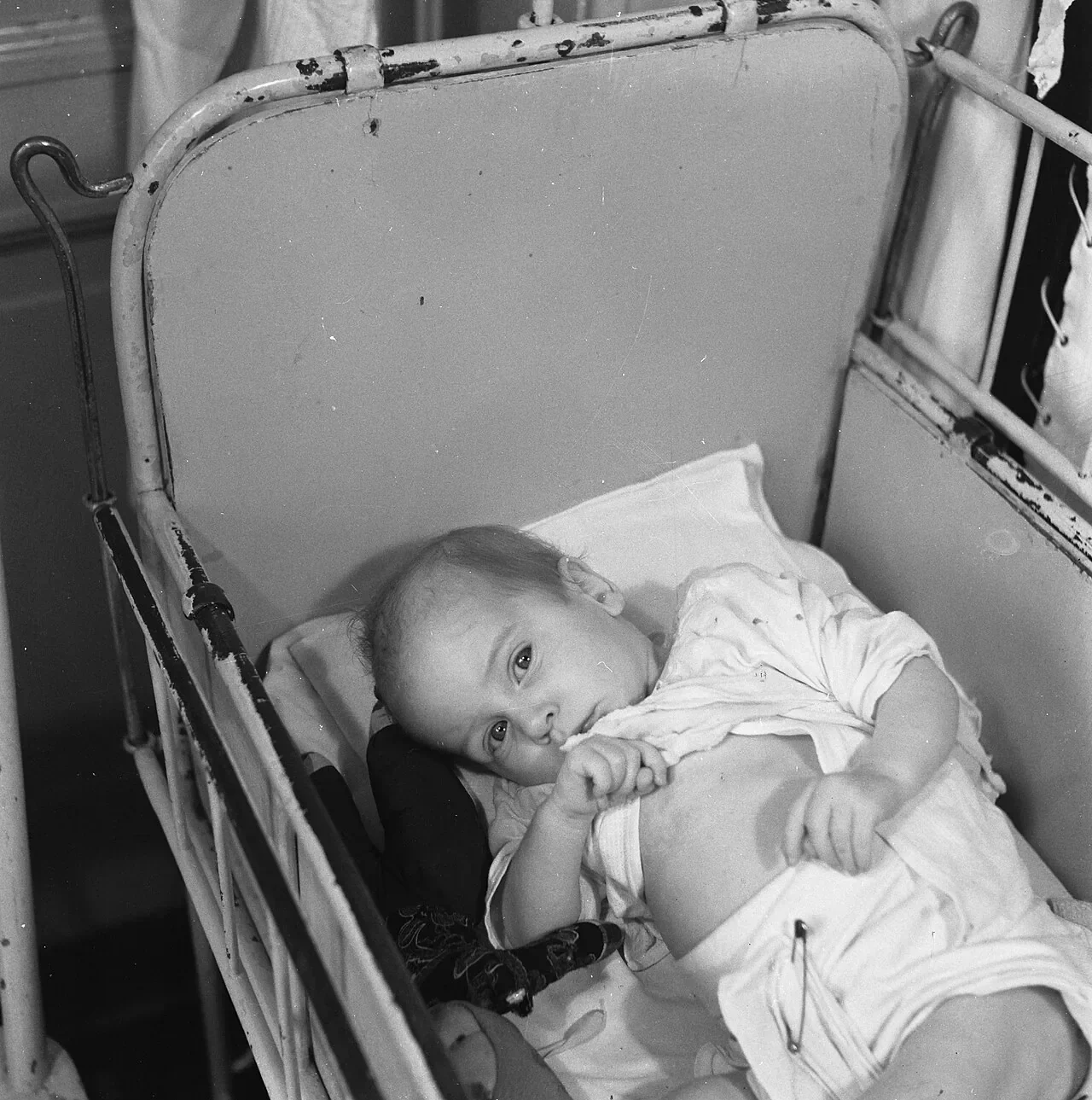
A baby who is rubbing their eyes at 55 minutes into a 60–90 minute window is done. Waiting for the clock to reach 90 produces a harder settle, not a better one.
The reverse is also true, and less often said: a baby who is happy and active at the top of the range has not read the chart. Put them down when the signs appear, and if that is consistently twenty minutes past the range, the range was wrong for that child.
When the number is wrong
Five situations where the calculator's answer should be overruled by what is in front of you.
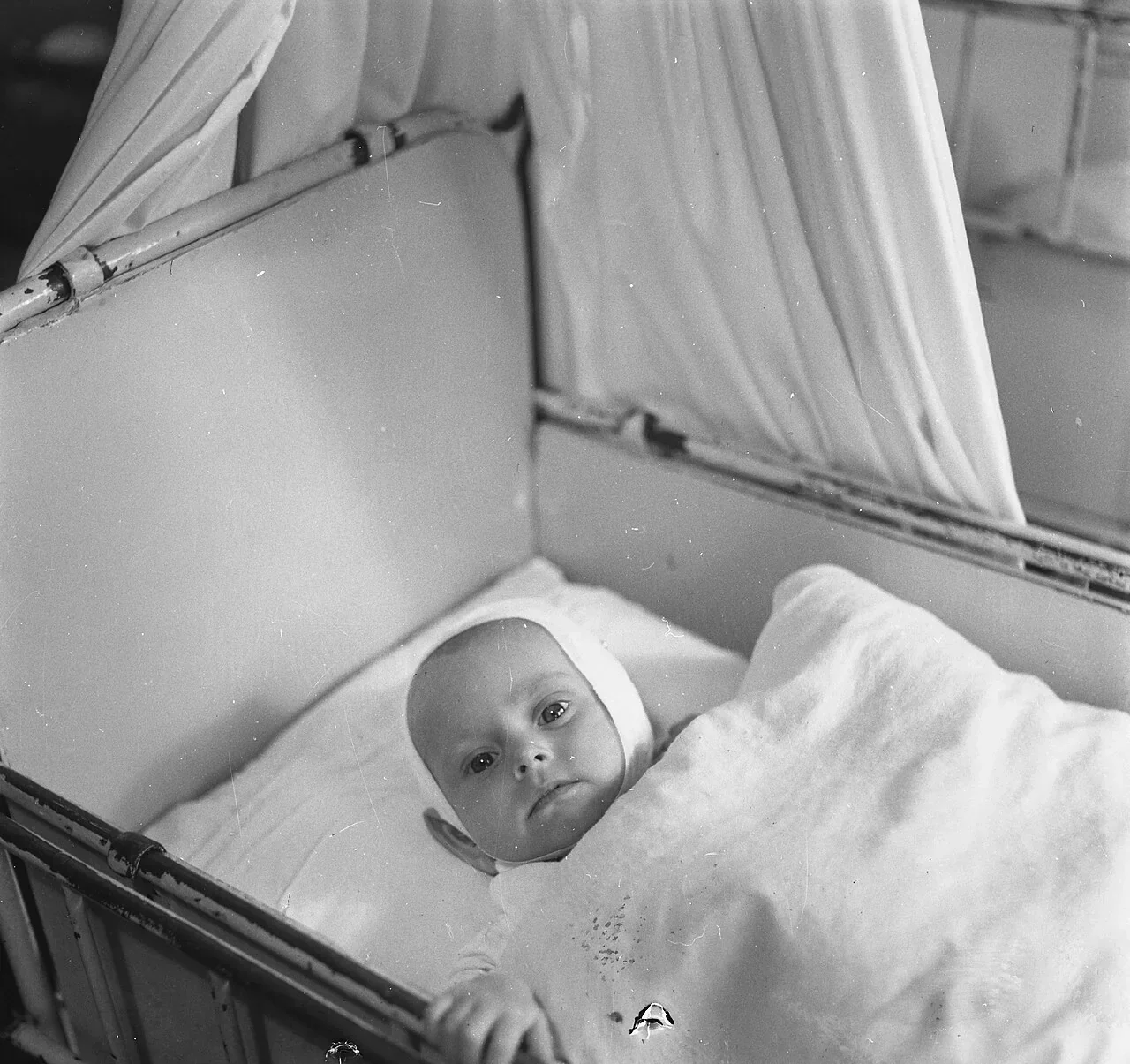
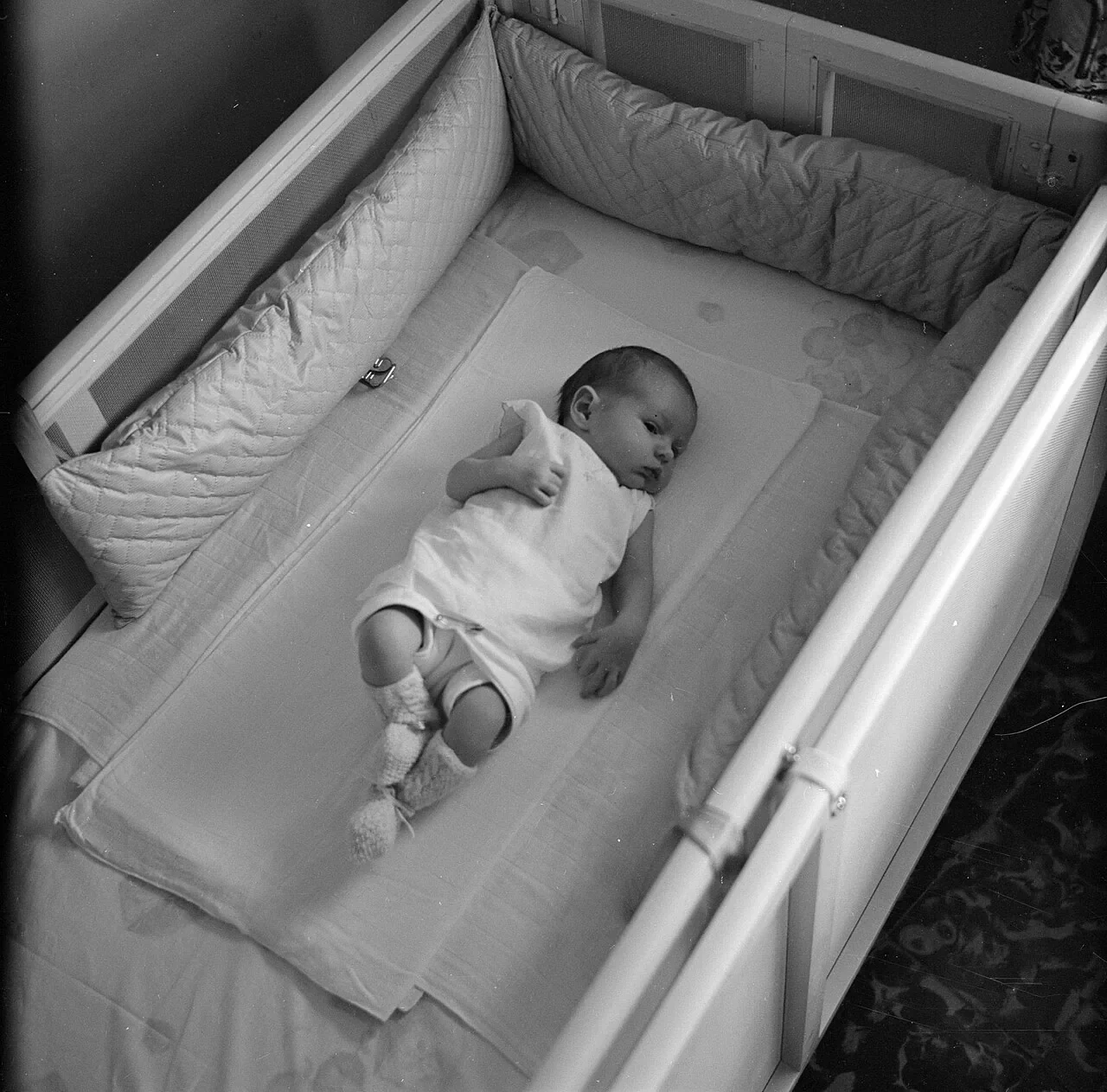
- The first two weeks. There is no window yet. A newborn sleeps in two-to-four hour stretches around the clock, and feeding on demand outranks any schedule.
- Illness, fever or teething. Sleep need goes up and tolerance goes down. Follow tiredness, then rebuild the routine over three or four days.
- Prematurity. Use corrected age until around two years, or every number will be weeks ahead of the baby.
- Travel across time zones. Shift bedtime 15 minutes a day in the direction of travel rather than forcing the local clock onto the first night.
- A baby who is simply a short sleeper. Some children sit at the bottom of the range or below it and thrive. Growth and mood are better evidence than a chart.
Calculator questions
The five that come up most often in replies to this page.
What is a wake window?
The stretch of time a baby can usually stay awake between one sleep and the next before becoming overtired. It is a range, not a countdown, and it lengthens slowly from about 45 minutes in the first weeks to five or six hours by the end of the second year.
Should I use the start or the end of the range?
Start with the shorter end and watch what happens. If your baby settles easily and wakes happy, the window can stretch. If bedtime takes an hour, the window was already too long — move the nap earlier rather than later.
Why does the calculator give one bedtime?
Because a number you can move is easier to use than a paragraph you have to interpret. It uses the middle of the range for your age band and assumes average naps. Your baby's actual day will be an hour either side.
Does this work for a toddler who has dropped the nap?
Once the nap goes, the calculator's arithmetic is wrong on purpose: the day has one long window from morning to bedtime, often six to seven hours, with a short quiet rest after lunch rather than a sleep. Use the age band for bedtime, not for naps.
Is it safe to keep a baby awake to reach a window?
No. A window is a limit to stay under, not a quota to fill. A newborn who is hungry or wet should be fed and changed whatever the clock says, and a baby showing tired signs should be helped to sleep.