Newborn Won't Burp, Reflux Positioner Risks & Tummy-Time Awake Windows
What to do when your newborn won't burp after feeding, why reflux sleep positioners and wedges are unsafe (AAP), and how to do tear-free tummy time.
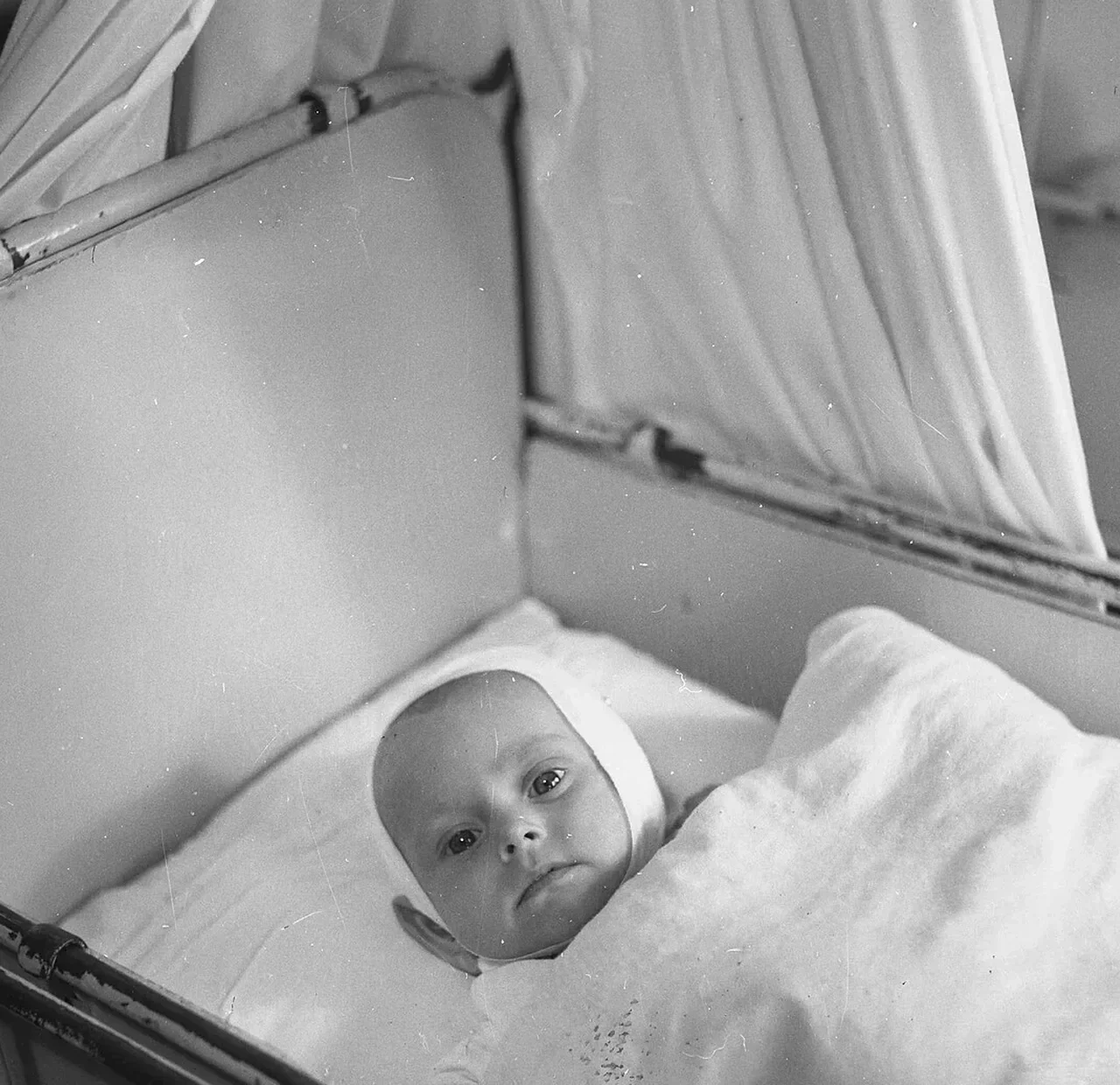
Quick answer: If your newborn does not burp after 5 to 8 minutes of gentle upright holding and back rubbing—especially after a calm breastfeed or night feed—it usually means they swallowed very little air and can be placed flat on their back to sleep. For reflux, hold your baby upright for 15 to 20 minutes after feeds, but never use an inclined reflux sleep positioner or wedge in the crib.
5–8 min
Max burping attempt window
If no burp comes after 5–8 minutes and your baby is relaxed, lay them down flat.
15–20 m
Post-feed upright hold (reflux)
Lets milk settle through the lower oesophageal sphincter before supine placement.
0° flat
Mandatory AAP crib angle
Inclined sleepers (>10°) and reflux wedges carry chin-to-chest asphyxiation risks.
3–5 min
Tummy-time micro-sessions
Start with 2–3 minutes 3–4 times daily; build toward 15–30 total minutes by 8–12 weeks.
When you only have a 60-minute newborn wake window—or you are trying to get back to sleep at 3:15 am—spending twenty minutes patting a newborn’s back waiting for a burp that never comes is exhausting. Worse, if your baby spits up or whimpers when laid down, it is tempting to search for a “reflux sleep positioner” or wedge to prop their mattress up.
Below is the clinical truth on why newborns often do not need to burp after calm feeds, four biomechanically effective burping techniques, why the AAP and NHS strictly advise against reflux wedges and positioners (and the airway anatomy that protects babies on their back), and how to fit tear-free tummy time and infant play into a 60-minute wake window.
Why Won’t My Newborn Burp After Feeding?
Aerophagia refers to the swallowing of ambient air during breastfeeding or bottle feeding, which accumulates as a gastric gas bubble above liquid milk in the stomach and may cause mild distension until vented upward through the lower oesophageal sphincter as a burp.
The key clinical fact is simple: a baby cannot burp out air they never swallowed. Newborns take in air primarily when they cry vigorously right before latching, when a fast maternal let-down forces them to gulp, or when a bottle nipple flows too quickly or is tilted horizontally so air enters the teat. Conversely, during a calm dream feed, a slow middle-of-the-night nursing session, or a paced bottle feed with an angled vent, an infant often swallows almost zero air.
If you have held your newborn upright for 5 to 8 minutes, tried two position changes, and your baby is relaxed (not arching, grimacing, or pulling their knees up), stop patting and place them flat on their back in the bassinet. Patting for 25 minutes will not conjure a non-existent air bubble, and it routinely pushes a newborn past their 60-minute wake window into an overtired cortisol spike.
Step-by-Step: 4 Biomechanical Techniques When Your Newborn Doesn’t Burp
Rather than pounding harder on the upper back—which vibrates the ribcage without straightening the gastro-oesophageal junction—use gentle spinal extension and abdominal pressure to let the gas bubble float upward naturally:
- The High-Shoulder tummy press (2 to 3 minutes): Lift your baby high enough on your shoulder that your collarbone or shoulder blade applies gentle, steady counter-pressure against their lower belly while their spine hangs long and straight. Cup your hand (like holding water, never a flat slap) and pat or stroke firmly upward from the lower ribs toward the neck.
- The Sitting Chin-Cup & Torso Circle (2 minutes): Sit your baby upright on your lap facing sideways, support their chest and jaw with the web of your thumb and index finger (never pressing on the soft throat), lean their torso forward slightly at a
15-degreeangle, and slowly circle their upper body three times clockwise and three times counter-clockwise. This aligns the oesophagus directly over the stomach dome. - The 60-Second Horizontal-to-Upright Reset: If no burp comes after 4 minutes upright, lay your baby flat on their back on your thighs or the changing mat for
30 to 45 seconds, then lift them smoothly back to upright against your chest. Changing orientation shifts a trapped bubble away from the side wall of the stomach straight to the top valve, releasing the burp within 15 seconds. - Paced Bottle Feeding & Mid-Feed Pause: Prevent air intake before it happens by holding the bottle nearly horizontal (just steep enough to keep the nipple tip full of milk) and pausing for a 60-second upright burp halfway through the feed (after the first
30–60 ml / 1–2 oz) rather than waiting until the stomach is completely full.
Reflux Sleep Positioners & Crib Wedges vs. Flat Supine Sleep (AAP Anatomy Guide)
Parents of babies who spit up frequently search for a reflux sleep positioner, bolster, or under-mattress wedge hoping an incline will keep milk down. Both the American Academy of Pediatrics (AAP 2022) and the NHS explicitly advise against every type of sleep positioner, bolster, and incline above 10 degrees.
Why does a flat surface protect a baby with reflux better than an incline or side position? Look at the anatomy of the human neck when lying flat on the back versus on the stomach or in an inclined seat:
| Sleep Surface / Position | Where the Windpipe (Trachea) Sits | What Happens During Reflux / Spit-Up | AAP & CPSC Safety Verdict |
|---|---|---|---|
| Flat on the Back (Supine, 0°) | Trachea sits above the oesophagus (food pipe) | Regurgitated milk pools at the back of the throat next to the lower oesophagus and is easily swallowed down; gravity keeps fluid away from the upper airway | Recommended for every sleep (naps and night) |
| Stomach or Side Position | Trachea sits below the oesophagus | Gravity pulls regurgitated milk toward the opening of the windpipe; side position easily rolls onto the face | Unsafe for infants placed to sleep (see our safe sleep & side-sleeping guide) |
| Reflux Wedge / Inclined Positioner (>10°) | Heavy infant head slumps forward chin-to-chest | Flexing the neck kinks the soft cartilaginous airway and makes sliding down into soft bolsters an entrapment hazard | Unsafe / Recalled (never elevate the crib mattress or use padded positioners) |
What actually helps infant reflux before sleep:
- Offer slightly smaller, more frequent feeds during daytime wake windows.
- Hold your baby upright against your chest or shoulder for 15 to 20 minutes after feeding so gastric emptying begins before you place them flat on their back.
- Use a firm, flat mattress in a bare bassinet or crib dressed in a properly rated TOG swaddle or sleep sack.
Why Does My Baby Hate Tummy Time? (And How to Play With an Infant)
“Back to sleep, tummy to play” is the golden rule of infant development: supine sleeping protects the airway at night, while awake tummy time builds neck extension, shoulder stability, and prevents positional plagiocephaly (flat head spots) while burning physical energy that supports longer naps.
Yet many parents ask why does my baby hate tummy time—because the moment they place their four-week-old face-down on a flat living-room rug, the baby cries into the carpet. Usually, three fixable friction points are to blame:
- Timing too close to a feed or too close to the end of a wake window: Placing a newborn on their belly 5 minutes after a full feed presses on a distended stomach; placing them down at Minute 55 of a 60-minute wake window catches them when they are already overtired.
- Starting flat on the floor instead of on an incline: At 2 to 6 weeks, a newborn’s head accounts for nearly a quarter of their body weight. Lying chest-to-chest on a parent reclined at
30 to 45 degreeson the sofa—or propped with a rolled hand towel tucked under their chest with elbows beneath shoulders—reduces gravity load by half. - Making sessions too long: Aim for 2 to 3 minutes per wake window (3 to 5 times a day) in the first month, stopping before tears start, and gradually build toward 15 to 30 total minutes per day by 8 to 12 weeks.
How to Structure a 60-Minute Newborn Awake Window (Eat–Play–Sleep)
If you are wondering how to play with an infant when they are only awake for 45 to 75 minutes between naps (check your baby’s exact age band in our wake window calculator or newborn weekly schedule), keep the awake block calm and predictable:
- Minutes 0–25 (Feed & Upright Burp): Full breast or bottle feed followed by 5 to 8 minutes of upright holding and a diaper change.
- Minutes 25–35 (Face-to-Face & High-Contrast Play): Lay your baby on their back or across your knees; hold high-contrast black-and-white patterns
20 to 30 cm (8 to 12 inches)from their eyes (newborn focal distance), narrate your facial expressions slowly, and let them kick bare legs freely. - Minutes 35–40 (Micro Tummy Time): 3 to 5 minutes of tummy time on your chest, across your lap, or on a firm play mat with a rolled towel under the armpits.
- Minutes 40–50 (Wind-Down & Swaddle): At the first quiet sleepy cue (reddened eyebrows, blank stare, turning away), step into the dim nursery, swaddle, switch on
≤50 dBwhite noise, and lay your baby flat on their back for their next nap (see all sample daily schedules).
When to Call Your Paediatrician About Reflux or Feeding Discomfort
Most healthy newborns spit up effortlessly (“happy spitters”) and outgrow gastro-oesophageal reflux as the lower oesophageal sphincter strengthens between 6 and 12 months. However, if spitting up is accompanied by poor weight gain, choking or turning blue, arching in pain during every feed, or forceful projectile vomiting, schedule a paediatric evaluation promptly.
This article is for educational purposes and is not medical advice. Speak with your paediatrician if your newborn has forceful projectile vomiting, blood or green bile in spit-up, poor weight gain, fewer than six wet diapers per day, or persistent back-arching pain during feeds.
Questions
Why won't my newborn burp after feeding, and is it okay to lay them down?
Yes. A newborn only burps if they swallowed a pocket of air during the feed. Breastfed babies with a deep latch and calm bottle-fed babies using paced feeding often swallow minimal air, especially during drowsy night feeds. After 5 to 8 minutes of upright holding without squirming, place your baby flat on their back.
How do I know if trapped gas is still bothering my newborn?
A newborn with a trapped air bubble pulls their knees up toward their abdomen, grimaces, arches their back, stiffens their legs, or wakes up crying 10 to 20 minutes after being laid flat. Lifting them upright against your shoulder for 3 minutes usually releases the delayed bubble.
Are reflux sleep positioners, crib wedges, or inclined sleepers safe?
No. The American Academy of Pediatrics (AAP), FDA, and CPSC strongly warn against all infant sleep positioners, bolsters, crib wedges, and inclined sleepers (>10 degrees). Incline angles allow a newborn's heavy head to slump forward chin-to-chest, compressing the soft trachea, and increase the risk of rolling into padding.
Why won't a baby choke if they spit up while sleeping flat on their back?
Anatomically, when a baby lies flat on their back (supine), the trachea (windpipe) sits ON TOP of the oesophagus (food pipe). Any milk that regurgitates from the stomach must work against gravity to reach the airway, so the baby naturally swallows it back down or turns their head to spit it out.
Why does my baby hate tummy time and how can I fix it?
Newborns have heavy heads and weak cervical extensor muscles, so flat floor tummy time right after a feed feels exhausting and presses on a full stomach. Wait 20 minutes after feeding, start on your reclined chest or across your lap, prop a rolled towel under their armpits, and stop after 2 to 3 minutes before crying starts.
How do I play with an infant during a short 45-to-60-minute newborn wake window?
A newborn's 45-to-75-minute wake window is mostly consumed by feeding and diapering, leaving just 10 to 15 minutes for play. Focus on high-contrast black-and-white cards held 20–30 cm (8–12 inches) from their face, face-to-face talking, and 3 minutes of chest or mat tummy time before starting the nap wind-down.
Sources
- Sleep-Related Infant Deaths: Updated 2022 Recommendations for Reducing Infant Deaths in the Sleep EnvironmentAmerican Academy of Pediatrics (Moon et al., Pediatrics, 2022)
- Back to Sleep, Tummy to PlayAmerican Academy of Pediatrics / HealthyChildren.org
- Reflux in Babies and Safe Sleeping PositionsNHS
- Safe Sleep for Babies: Inclined Sleepers and PositionersCenters for Disease Control and Prevention (CDC)
This guide is educational and does not replace advice from your paediatrician, health visitor or midwife.