FOMO Baby, Nighttime Separation Anxiety, and When to Introduce a Lovey
How to help an alert 'FOMO baby' wind down, manage 8-to-18-month separation anxiety at bedtime, and know when a baby can safely sleep with a lovey.
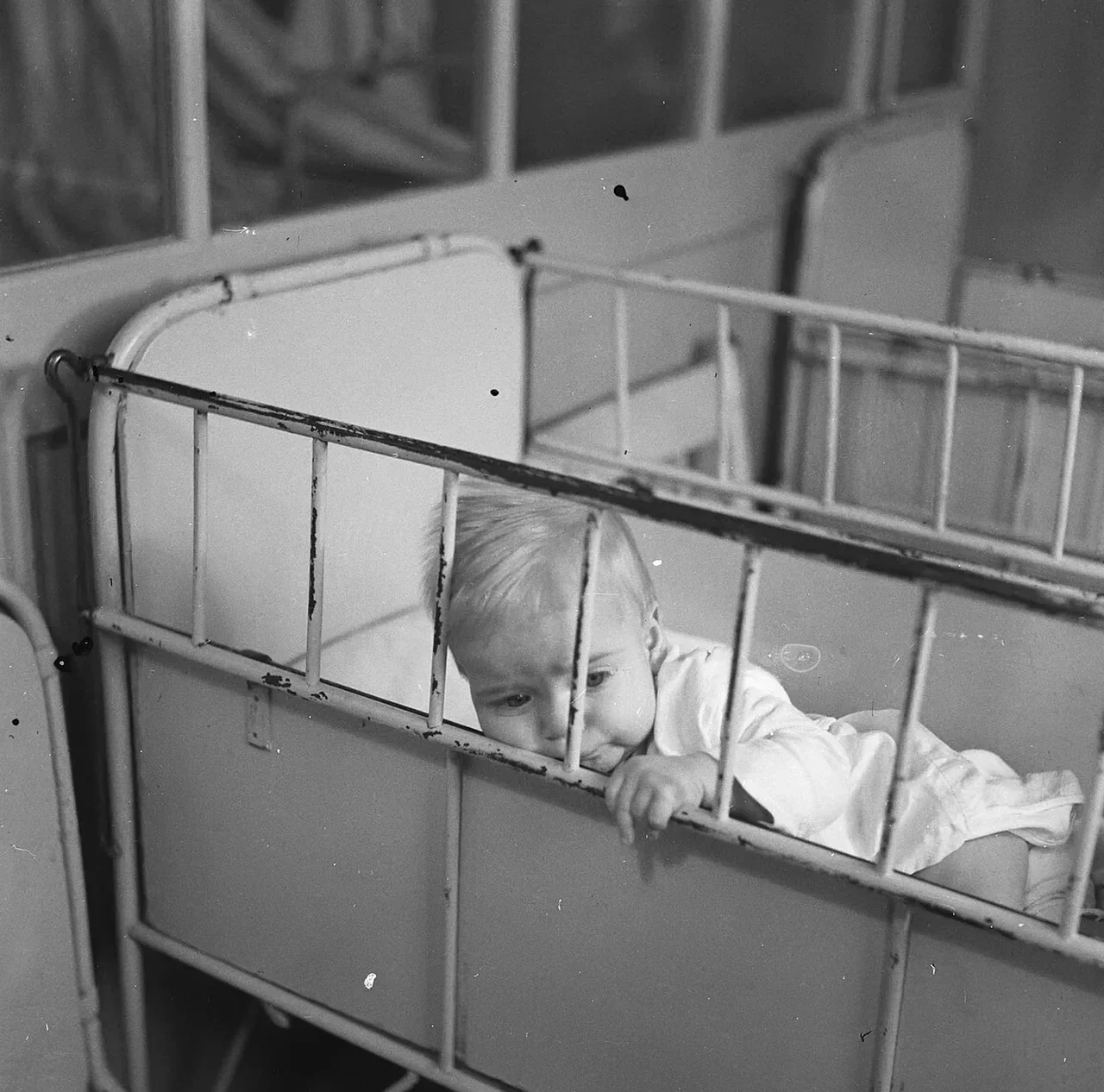
Quick answer: A 'FOMO baby' (Fear Of Missing Out) is a temperamentally alert, low-sensory-threshold infant who fights naps and bedtime whenever voices, light, or household activity are present. Meanwhile, nighttime separation anxiety peaks between 8 and 10 months and again at 14 to 18 months as object permanence develops. According to the AAP, a soft lovey or security blanket can be safely introduced inside the crib only after 12 months of age.
12 months
Minimum safe age for a crib lovey
AAP guidelines require keeping all soft objects, blankets, and plush loveys out of the crib until age 1.
8–10 mo
First separation anxiety peak
Coincides with object permanence and crawling; a second peak occurs at 14 to 18 months.
15–20 min
Dim-room wind-down for FOMO babies
Alert infants need low sensory input before they display visible yawning or eye-rubbing.
10–15 sec
Brief bedtime check-in length
Reassures an anxious baby of your presence without restarting bedtime protest.
Some babies can drift off in a bright stroller while older siblings shout nearby; others craned their necks at 10 weeks old to track every ceiling fan blade and now, at 8 or 10 months, cling to your shirt the instant you step toward the crib. Parents of these alert, socially wired infants deal with two overlapping challenges: raising a “FOMO baby” (Fear Of Missing Out) and navigating the developmental peaks of nighttime separation anxiety.
Bedtime separation anxiety is a normal developmental stage between 8 and 18 months triggered by object permanence when an infant realizes parents still exist outside the nursery door.
When parents look for ways to comfort an anxious baby at bedtime, the first question that comes up is when to introduce a lovey (transitional security object). Below is the developmental science behind alert temperaments, object permanence, and the exact age milestones for safe crib comfort items. You can align these strategies with our 6-to-8-month sleep schedule, 10-month sleep schedule, and 14-to-20-month toddler schedule.
Definition: Alert Temperament (“FOMO Baby”), Object Permanence, and Transitional Objects
A “FOMO baby” describes an infant with a low sensory registration threshold and high novelty-seeking temperament who suppresses sleepiness in stimulating environments, while bedtime separation anxiety is a healthy developmental stage triggered by the acquisition of object permanence between 8 and 18 months. A lovey (transitional object) is a small, breathable cloth or plush item that bridges the emotional transition from parental proximity to independent sleep once safe-sleep age criteria are met.
Three developmental processes explain what is happening in your baby’s brain at bedtime:
- Alert temperament and masked tired cues: Temperamentally alert babies produce dopamine in response to faces, voices, pets, and changing rooms. Because social stimulation overrides mild adenosine pressure, they rarely yawn or rub their eyes in a bright living room. Instead, they look wide-awake until their wake window expires, then pivot abruptly into an overtired cortisol meltdown.
- Object permanence without time permanence: Around 7 to 9 months, infants master Jean Piaget’s stage of object permanence: they realize that when you walk out of the nursery, you still exist on the other side of the door (Higley & Dozier, 2009, PMID 20161105). However, they do not yet have a cognitive map of time, so they do not automatically know whether you are leaving for 5 minutes or forever.
- Safe sleep airway thresholds for loveys: Because infants under 12 months can roll into soft fabric or pull a cloth over their nose and mouth without reliably removing it, the American Academy of Pediatrics (Moon et al., 2022, PMID 35726558) specifies that cribs must remain free of soft objects, blankets, and loveys until 12 months of age.
By the Numbers: Separation Anxiety & Lovey Safety Benchmarks
Clinical attachment and safe-sleep literature (Moon et al., 2022, PMID 35726558; Higley & Dozier, 2009, PMID 20161105) defines the timeline and safety boundaries for bedtime comfort:
- 12 months (1 year): Minimum age recommended by the AAP before placing a lovey or small security cloth inside the crib for unsupervised sleep.
- 8–10 months & 14–18 months: The two primary developmental windows when nighttime separation anxiety peaks alongside crawling, standing, and walking milestones (see sleep regression ages and stages).
- 15–20 minutes: Sensory “step-down” buffer required in a dim, quiet room before nap or bedtime for an alert FOMO baby to show true sleepy cues.
- 8 × 8 inches to 12 × 12 inches: Ideal size for a first post-12-month breathable muslin or knit lovey—large enough to hold, small enough that it cannot tangle around the neck or cover the body, with zero plastic buttons, beads, or ribbons.
- 10–15 seconds: Optimal duration of a calm verbal reassurance check-in during separation anxiety protests so you confirm your presence without restarting the wake-up protest from scratch.
FOMO Undertiredness vs. Separation Anxiety vs. Overtired Protest
When an 8-to-15-month-old stands at the crib rail crying, the right response depends on whether they are overstimulated, experiencing separation anxiety, or simply not tired yet.
| Observation at Bedtime | Alert “FOMO” Overstimulation | True Separation Anxiety (8–18 mo) | Undertired / Schedule Drift |
|---|---|---|---|
| Behavior 20 Min Before Bed | Cranes neck at siblings/TV, tracks every sound, refuses to finish bottle in living room | Happy during bath and pajamas, then tenses or cries the instant you walk toward the crib | Calm during routine, stands up in crib babbling, throwing pacifier, or playing for 30 min |
| Reaction When Parent Leaves | Cries hard because brain is still running at daytime speed | Immediate panic cry as soon as parent’s hands leave their torso; calms instantly if parent stands by crib | Mild fussing that starts 10–15 minutes after parent leaves the room |
| Middle-of-the-Night Pattern | Wakes 40 min after bedtime (false start) | Wakes at 1:00 AM standing at rail calling out; settles quickly once parent briefly reassures | Split night (awake and happy for 60–90 minutes at 2:00 AM) |
| Daytime Clinginess | Curious and independent on the floor; just hates stopping the fun to sleep | Cries when parent leaves the room to use the bathroom or kitchen during the day | Normal daytime mood; naps ran too long or too late in the afternoon |
| Targeted Fix | Move entire wind-down into dim nursery 20 min before sleep; feed in dark room | Daytime crib peekaboo + confident 15-sec goodbye + brief check-ins | Add 15–20 min to final wake window or cap afternoon nap (see wake windows) |
How to Help a FOMO Baby Wind Down for Naps and Bedtime
If you have an alert baby who acts like sleep is an insult to their social calendar, relying on visible yawning in a bright kitchen will fail every time:
- Watch the clock, not just living-room cues: Alert babies will play cheerfully right past their ideal wake window. Use the age tables in our wake windows guide and start your wind-down 15 minutes before the window ends.
- Feed in a dim, boring room: Beginning around 4 to 5 months, FOMO babies pop off the breast or bottle every time a dog barks or a partner walks by—leading to reverse cycling at night. Move daytime feeds into the dim nursery with white noise on.
- Create a 15-minute “sensory ramp-down”: Never take a FOMO baby straight from tickling on the living-room rug into a dark crib. Spend 10 to 15 minutes in the dimly lit nursery doing quiet, repetitive steps: diaper change, sleep sack, two familiar board books read in a low monotone voice, lights out.
- Eliminate visual targets inside the crib: Pitch-black darkness (
0 lux) is mandatory for FOMO babies during naps and night sleep. If they can see patterned wallpaper, mobile toys, or laundry baskets, they will stay awake to study them.
When Can a Baby Sleep With a Lovey? (And What to Do Before 12 Months)
Parents frequently ask whether a small muslin square is safe for an 8-month-old going through separation anxiety. Here is how to handle comfort objects safely by age:
Under 12 Months: Scent and Routine Without Loose Crib Objects
Before your baby’s first birthday, keep the crib completely bare (safe sleep crib guide). You can still provide sensory continuity in three safe ways:
- Scented fitted crib sheet: Tuck your baby’s clean fitted crib sheet inside your shirt for a few hours during the day (or sleep with it on your pillow) before stretching it tightly over the crib mattress. Your familiar scent comforts your baby without adding loose fabric.
- The sleep sack as a wearable lovey: Put on the same breathable cotton or merino sleep sack at every nap and bedtime so the tactile feel of the fabric signals safety and sleep.
- Supervised lovey bonding during feeds (awake only): Starting at 9 to 11 months, you can hold a small breathable muslin lovey between you and your baby during bedtime stories and nursing/bottle feeds, then set it on the dresser before placing your baby into the crib.
12 Months and Older: Introducing the Crib Lovey
Once your child turns 12 months old, you can hand them that familiar, pre-bonded lovey as you place them into the crib. Choose a small (8 × 8 to 12 × 12 inch), single-layer breathable cotton/muslin cloth with embroidered features (no plastic eyes, buttons, bells, or long ribbons), and buy two identical copies so you can rotate one through the wash without a bedtime crisis.
Step-by-Step Protocol for Nighttime Separation Anxiety
When separation anxiety hits at 8 to 10 months or 15 to 18 months, follow this 5-step plan to reassure your baby without creating new sleep crutches:
- Practice “happy crib time” twice a day during wake windows: Spend 5 minutes in the morning and afternoon playing peekaboo, hiding behind the nursery door and popping back in with a big smile while your baby is awake in the crib. This teaches their brain that the crib is a safe space and that you always return.
- Never sneak out of the room: Slipping away while your baby is distracted increases hyper-vigilance at bedtime. Instead, give a warm, predictable verbal cue (“I love you, it’s time for sleep, I’ll see you in the morning”) every single night.
- Keep the final crib departure calm and under 30 seconds: Babies read parental hesitation as a warning that the crib is unsafe (
social referencing). Place your baby down awake, pat their chest once, say your sleep phrase confidently, and walk out. - Use timed 15-second reassurance check-ins if protest escalates: If your baby stands and cries hard, wait 5 to 8 minutes, then walk in, gently guide them to lie down once, repeat your calm sleep phrase for 15 seconds, and step out. Avoid lingering at the rail for 10 minutes, which frustrates alert babies further.
- Hold consistent boundaries during 1:00 AM separation wakings: If your baby wakes overnight from separation anxiety, wait 5 to 10 minutes before doing a brief, dark, boring check-in. Bringing an 9-month-old into the parents’ bed during a 2-week separation peak quickly turns a temporary developmental leap into a permanent habit.
All sleep and developmental guidance in this article is educational information and is not medical advice. Consult your pediatrician if sudden night waking is accompanied by fever, ear tugging, or developmental concerns.
Questions
What is a FOMO baby?
A FOMO ('Fear Of Missing Out') baby is a colloquial term for an infant with high environmental sensitivity and high approach temperament who stays hyper-alert to sights, sounds, and faces, resisting sleep outside a pitch-dark, quiet room.
When can a baby safely sleep with a lovey?
The American Academy of Pediatrics recommends waiting until at least 12 months of age before allowing a baby to sleep with a lovey, small security blanket, or plush toy in the crib.
Why does my 8-month-old suddenly scream the moment we walk toward the crib?
Around 8 to 10 months, infants achieve object permanence—understanding that you continue to exist when out of sight—without yet grasping time, making bedtime separation feel like a long departure.
How do I handle separation anxiety at night without undoing independent sleep?
Play cheerful daytime games in the crib, keep your bedtime goodbye calm and under 30 seconds, and use brief 15-second verbal check-ins if your baby protests at night rather than bringing them into your bed.
How can I comfort my baby in the crib before 12 months without a lovey?
Wear your baby's clean fitted crib sheet inside your shirt for a few hours before putting it on the mattress so it carries your scent, and use a consistent wearable sleep sack at every nap and bedtime.
What size and material should a first lovey be after 12 months?
Choose a small 8x8 to 12x12 inch breathable single-layer muslin or cotton cloth with embroidered features and zero buttons, beads, ribbons, or weighted beads.
Sources
- Sleep-Related Infant Deaths: Updated 2022 Recommendations for Reducing Infant Deaths in the Sleep EnvironmentAmerican Academy of Pediatrics (Moon et al., 2022)
- Night waking in 6-month-old infants and maternal depressive symptomsJournal of Applied Developmental Psychology (Higley & Dozier, 2009)
- Normal sleep patterns in infants and children: a systematic review of observational studiesSleep Medicine Reviews (Galland et al., 2012)
This guide is educational and does not replace advice from your paediatrician, health visitor or midwife.