Wake windows by age: the complete baby and toddler chart
Wake windows by age from 0 to 36 months: exact awake ranges (45 min to 6 hr), nap counts, sleepy cues vs. overtired signs, and when to adjust the clock.
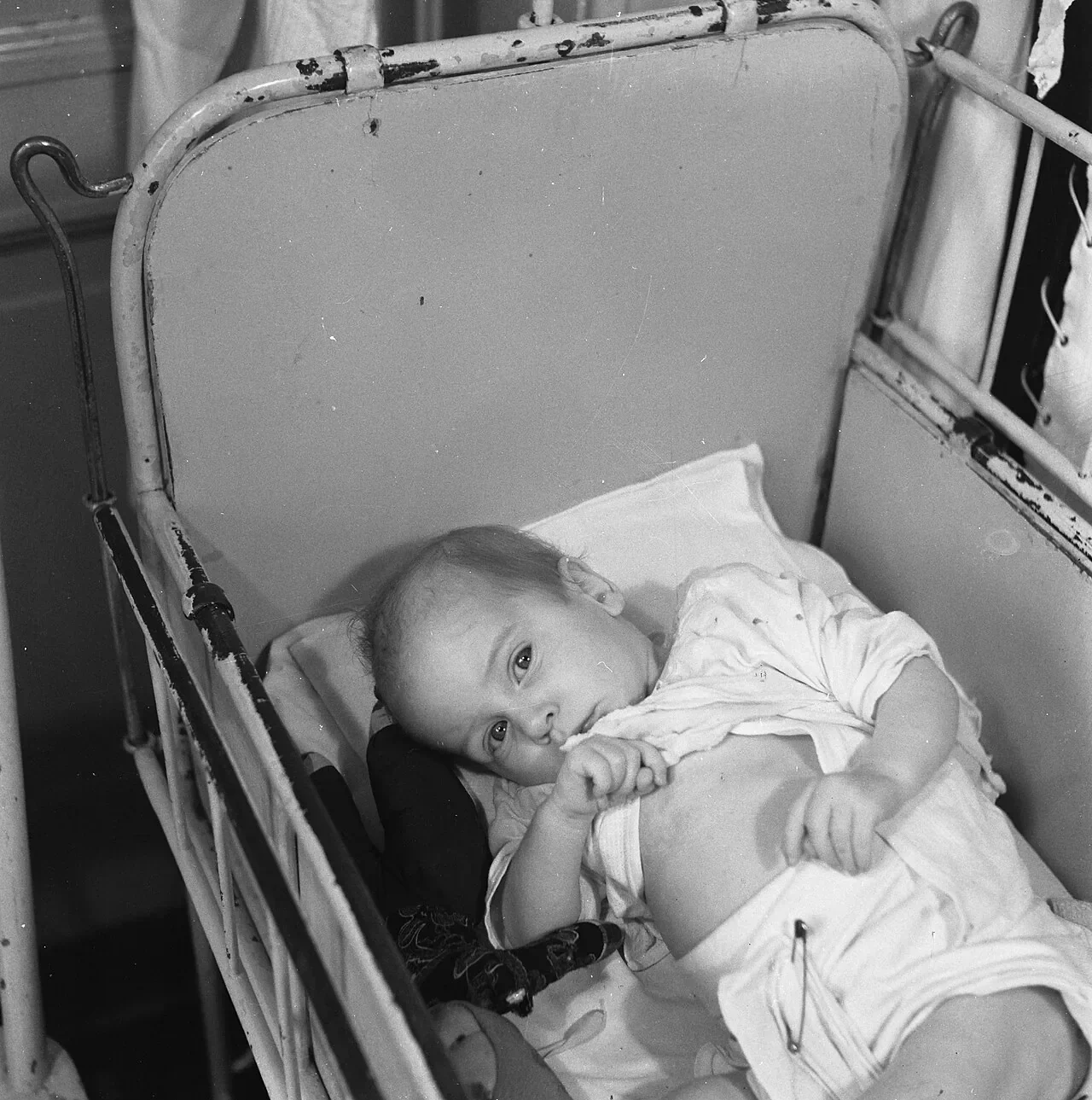
Quick answer: A wake window is the total time a baby stays awake between one sleep period and the next, starting the minute they come out of the cot. Typical ranges expand from 45–60 minutes in the first month to 1.5–2 hours at 3–4 months, 2–3 hours at 5–8 months, 3–4 hours at 9–12 months, and 5–6 hours on a single afternoon nap between 18 and 36 months.
45–90
Minutes awake, 0–3 months
Feed, change, back down. There is no rigid clock schedule to protect in the first 8 weeks.
1.5–2
Hours awake, 3–4 months
The bridge between newborn catnaps and a predictable three- or four-nap day.
2–3
Hours awake, 5–8 months
Three naps shrinking to two, with the shortest window in the morning.
3–4
Hours awake, 9–12 months
Two stable naps and 12–16 hours of total sleep across 24 hours.
A wake window is the stretch of time an infant or toddler stays awake between the end of one sleep period and the start of the next. It is the single most practical number in infant sleep planning, and also the one most frequently treated as a rigid rule when it is actually a biological range.
The reason wake windows matter comes down to homeostatic sleep pressure. Put a baby down when adenosine has built to a comfortable peak and settling usually takes 10 to 15 minutes. Keep that same baby awake 25 minutes past their threshold and the nervous system releases cortisol and adrenaline to keep them upright—turning bedtime into a 45-minute battle.
What are the typical wake windows by age from 0 to 36 months?
Most healthy babies follow a predictable expansion in awake time as their brains mature: from 45–60 minutes as a newborn to 1.5–2 hours at 4 months, 2.5–3.5 hours between 6 and 10 months, and 5–6 hours once they consolidate onto a single midday nap around 15 to 18 months.
Treat the low end of each row below as the first window of the morning and the high end as the final stretch before bedtime. You can plug your baby’s exact morning wake-up into our interactive wake window calculator or compare full worked timetables on the sample sleep schedules page.
| Age stage | Morning wake window | Midday / afternoon windows | Final window before bed | Daytime naps | Total sleep in 24 hours (AASM) |
|---|---|---|---|---|---|
| 0–4 weeks | 35–45 minutes | 45–60 minutes | 45–60 minutes | 5–8 naps | 14–17 hours (newborn norm) |
| 1–2 months | 45–60 minutes | 60–75 minutes | 60–90 minutes | 4–6 naps | 14–17 hours |
| 2–3 months | 60–75 minutes | 75–90 minutes | 90–120 minutes | 4–5 naps | 14–17 hours |
| 3–4 months | 75–90 minutes | 90–110 minutes | 105–120 minutes | 3–4 naps | 12–16 hours |
| 5–6 months | 1.75–2 hours | 2–2.25 hours | 2.25–2.5 hours | 3 naps | 12–16 hours |
| 7–8 months | 2.25–2.5 hours | 2.5–3 hours | 2.75–3.25 hours | 2–3 naps | 12–16 hours |
| 9–12 months | 2.75–3 hours | 3–3.5 hours | 3.5–4 hours | 2 naps | 12–16 hours |
| 13–18 months | 3.5–4.5 hours | 4.5–5.5 hours (1 nap) | 4.5–5.5 hours | 1–2 naps | 11–14 hours |
| 18–24 months | 5–5.5 hours | Single post-lunch nap | 5–6 hours | 1 nap | 11–14 hours |
| 2–3 years | 5.5–6 hours | Single afternoon nap or quiet time | 5.5–6.5 hours | 0–1 nap | 10–13 hours |
The 24-hour total sleep figures come from the American Academy of Sleep Medicine’s 2016 pediatric consensus statement and the Galland et al. (2012) systematic review of 34 observational studies. The wake-window columns reflect clinical sleep-log averages, which naturally vary by 15 to 20 minutes from child to child.
Why do wake windows get longer as a baby grows?
Wake windows lengthen because two biological timers mature simultaneously over the first year: homeostatic sleep pressure (Process S) accumulates more slowly in older brains, and the circadian clock in the suprachiasmatic nucleus (Process C) begins aligning melatonin and cortisol with daylight between 8 and 16 weeks of age.
In the first 6 weeks, a newborn has almost no circadian rhythm; sleep is driven by feeding and fast-building adenosine, explained in detail in our newborn sleep schedule by week guide. Around 12 to 16 weeks, melatonin secretion organises around dusk, daytime alerting signals strengthen, and sleep cycles reorganise from two stages into four—the shift behind the 4-month sleep regression.
How do sleepy cues compare vs. overtired cues vs. boredom?
Reading sleepy cues versus overtired signs accurately prevents both undertired cot protest and overtired meltdown. At 3 to 6 months in particular, parents often mistake simple boredom with a toy for tiredness, putting the baby down 30 minutes too early when sleep pressure is still too low to link cycles.
| Signal type | Typical timing in window | Physical and behavioural signs | What to do next |
|---|---|---|---|
| Boredom cues | 30–60 minutes into window | Fussing at one activity, looking around the room, calms immediately when carried to a window or new room | Change the scenery or activity; keep the wake window going |
| Early sleepy cues | 10–15 minutes before window ends | Staring quietly into space, slower arm movements, pink or red eyebrows, turning head away from faces | Dim the lights, put on the sleep sack, and start the 5-minute wind-down |
| Late / overtired cues | 15+ minutes past target window | Back arching, stiff legs, frantic eye rubbing, sudden burst of manic energy, crying that escalates when laid down | Calm the baby in a dark room with white noise before placing in the cot; shorten tomorrow’s window by 15 minutes |
When do you start and stop counting a wake window?
Count a wake window from the minute you take your baby out of the cot until the minute their eyes close for the next sleep. Include feeding, diaper changes, floor play, and the wind-down routine inside the window so the baby is placed in the cot 10 to 15 minutes before the target number ends.
If your 5-month-old has a 2-hour morning window after waking at 7:00 am, do not start the nap routine at 9:00 am. Start the diaper change and sleep sack at 8:45 am, place your baby into the cot around 8:50 am, and allow 10 minutes to drift off by 9:00 am. If a baby wakes happy at 6:45 am and rolls around quietly until you enter at 7:00 am, split the difference and anchor the window at 6:50 am.
How do you adjust a wake window after a 30-minute short nap?
When a baby takes a single-cycle 30-minute catnap instead of a 60-to-90-minute nap, shorten the very next wake window by 15 to 20 minutes rather than stretching to the usual clock time. A short nap removes less adenosine, so the baby reaches their tiredness threshold earlier in the next stretch.
Follow this 5-step process to calibrate any wake window across a week:
- Anchor morning wake-up within a 30-minute window (for example, 6:45 am to 7:15 am) for 5 consecutive days.
- Log the exact minute your baby goes into the cot and the exact minute they fall asleep for each nap.
- If settling takes less than 5 minutes with heavy crying, or the nap ends at 28–35 minutes crying, shorten that preceding wake window by 15 minutes tomorrow.
- If your baby babbles, kicks the mattress for 20+ minutes without crying, or fights the nap and wakes happy after 30 minutes, lengthen that preceding wake window by 15 minutes tomorrow.
- Change only one wake window at a time and hold the adjustment for 3 to 4 days before evaluating.
Why does stretching wake windows before bed often backfire?
Keeping an infant under 12 months awake an extra 30 to 45 minutes before bed to “tire them out” usually triggers false starts 45 minutes after bedtime and more frequent night wakings. In babies, sleep builds sleep: an overtired infant enters the night with elevated cortisol, which fragments the first transitions between light and deep sleep.
When night wakings increase at 4, 6, or 8 months, first check whether total daytime nap sleep has dropped below 2.5 hours or whether the final window before bed exceeded the age range. Bringing bedtime 15 to 30 minutes earlier for a week resolves false starts far more reliably than pushing bedtime later. Only when a child is approaching a genuine nap transition—such as the 3-to-2 nap shift covered in our 6 to 8 month sleep schedule guide or the 2-to-1 transition in our when to drop to one nap guide—does adding 15 minutes of awake time solve night wakings.
When should you stop tracking wake windows and use a clock schedule?
Most families can stop tracking minute-by-minute wake windows between 10 and 15 months, once a baby is solidly on two predictable naps (around 9:30 am and 2:00 pm) or transitions to a single post-lunch nap around 12:30 pm. By toddlerhood, the circadian rhythm anchors sleep to consistent clock times.
At that stage, a 20-minute variation in morning wake-up no longer requires shifting the entire day. Hold lunch at 11:45 am, offer the nap at 12:30 pm, cap afternoon sleep by 2:30 pm to 3:00 pm, and keep bedtime steady around 7:30 pm. Note that all ranges and schedules on this page are educational reference tools and are not medical advice; if your baby snores, pauses breathing, or struggles to gain weight, consult your paediatrician.
Questions
What is a wake window and when do you start counting it?
A wake window is the span between the end of one sleep and the start of the next. Start the timer when you lift your baby out of the cot rather than when they first stir in the dark, and stop it when they are asleep again, including the 10–15 minutes it takes to settle.
How do I know if my baby's wake window is too long?
The clearest sign is a baby who goes from pleasant to unreachable within 10 minutes: arching the back, stiffening the legs, crying that escalates rather than winds down, or falling asleep within 2 minutes of being picked up. Shorten that specific window by 15 minutes for 4 days.
Should I wake my baby from a nap to protect the next wake window?
In the first 8 weeks, let a baby sleep as long as they are gaining weight and feeding well. From 3 to 4 months onward, capping a single daytime nap at 2 hours—or waking from the final late-afternoon catnap by 5:00 pm—helps protect enough sleep pressure for bedtime.
Do wake windows apply to middle-of-the-night wakings?
No. Night wakings are not wake windows. A baby who wakes at 2:00 am should be fed or comforted in a dark, quiet room and returned to the cot right away. Turning the lights on or stretching a night waking into a 90-minute play session trains the circadian clock to wake nightly.
Are wake windows backed by clinical trials?
Total 24-hour sleep ranges come from clinical consensus statements by the American Academy of Sleep Medicine. Specific minute-by-minute wake windows come from observational sleep logs and clinical practice. Treat every chart as a starting hypothesis to test against your baby's cues, not a medical threshold.
What if my baby stays awake much longer than the chart and seems happy?
If your baby settles within 15 minutes, wakes cheerful, and logs roughly 12–16 hours of total sleep in 24 hours, your baby's biological sleep need sits at the lower end of the curve. Follow the child in front of you rather than forcing an earlier put-down that causes cot protest.
Sources
- Recommended amount of sleep for pediatric populations: a consensus statementAmerican Academy of Sleep Medicine (Paruthi et al., J Clin Sleep Med, 2016)
- Normal sleep patterns in infants and children: a systematic review of observational studiesGalland et al., Sleep Medicine Reviews, 2012
- Helping your baby to sleepNHS
- Sleep in infants and young childrenAmerican Academy of Pediatrics, HealthyChildren.org
This guide is educational and does not replace advice from your paediatrician, health visitor or midwife.