14 to 20 Month Old Sleep Schedule: 14, 15, 16, 18 & 20 Month Wake Windows & Naps
Worked daily sleep schedules and wake windows for 14, 15, 16, 18, and 20 month old toddlers—including 2-nap vs 1-nap timetables, nap lengths, and bedtimes.
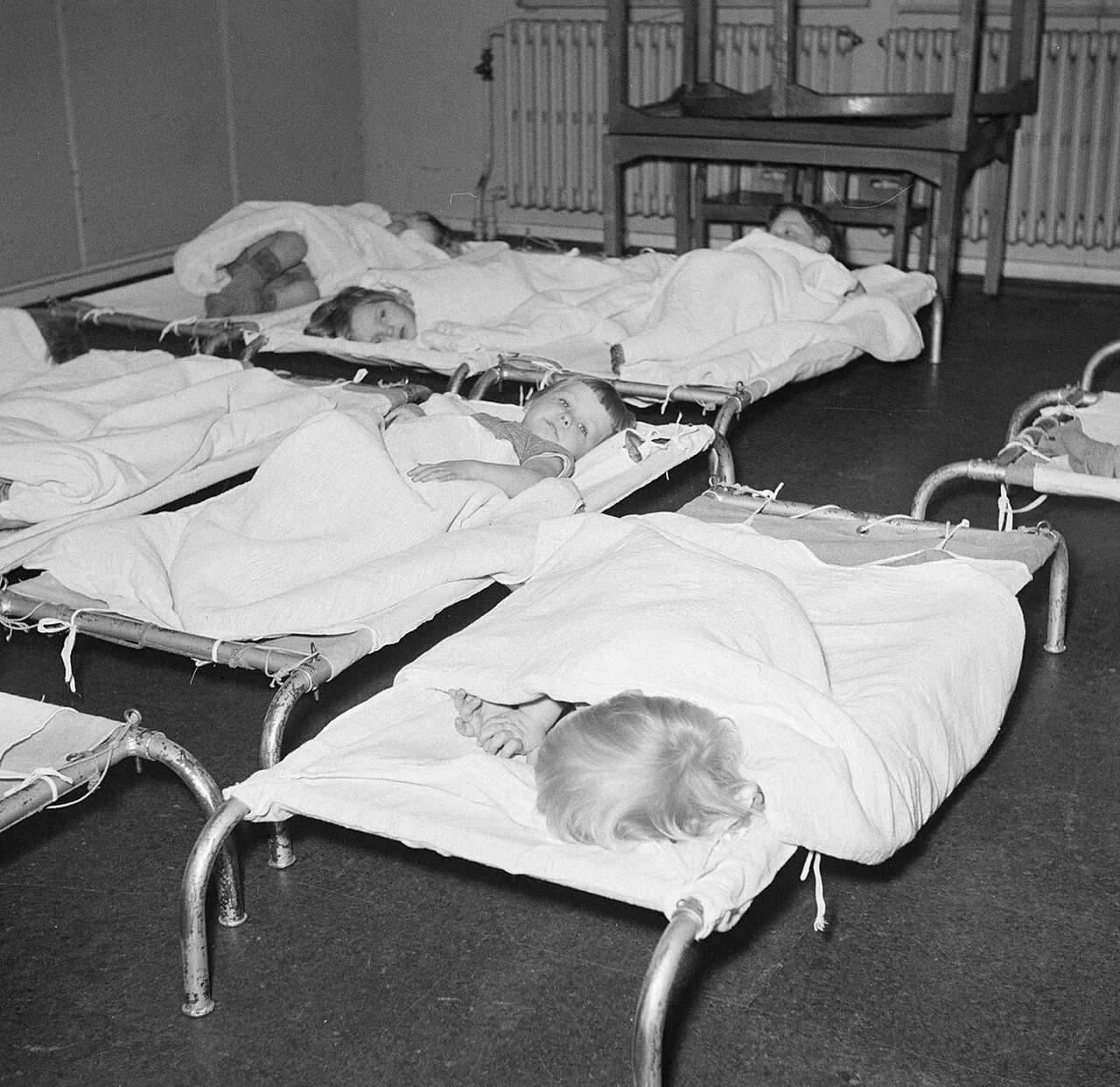
Quick answer: Toddlers aged 14 to 20 months need 11 to 14 hours of total sleep in 24 hours—typically 10.5 to 11.5 hours overnight plus 1.75 to 2.5 hours of daytime nap sleep. At 14 months, toddlers bridge from two capped naps (3.5 / 3.75 / 4.25h windows) onto a single midday nap; from 15 to 20 months, one post-lunch nap (12:30–2:30 pm) with 5 to 5.5 hour wake windows becomes the daily anchor.
11–14 h
Total 24-hour sleep (14–20m)
AASM consensus for toddlers aged 1 to 2 years (10.5–11.5h night + 1.75–2.5h nap).
4.5–5.5 h
1-nap wake windows
Starts at 4.5–5h at 14–15 months and widens to 5–5.5h by 18–20 months.
12:30 pm
Sweet-spot midday nap start
With a 7:00 am wake-up once the 1-nap schedule is established at 15–20 months.
2–2.5 h
Target single nap length
Cap at 2.5 hours (or 2.0h by 20 months) so 5 hours of sleep pressure builds before bed.
The six-month stretch between 14 and 20 months is when your child graduates from babyhood into a true one-nap toddler schedule. At 14 months, you are often balancing on the tightrope between two capped naps and one early midday nap; by 16, 18, and 20 months, a single post-lunch nap from 12:30 pm to 2:30 pm anchors the entire household day.
Below are the exact clinical sleep totals, wake windows, and worked clock-time timetables for 14, 15, 16, 18, and 20 month old toddlers—so you can see how each month progresses without guesswork. You can also plug in your toddler’s exact morning wake-up time in our wake window calculator or compare all stages on the sample schedules hub.
How Much Sleep Do 14, 15, 16, 18, and 20 Month Olds Need?
A 14-to-20-month sleep schedule refers to the structured 24-hour toddler timetable transitioning from two daytime naps (3.5–4.25 hour wake windows) to a single midday nap (4.5–5.5 hour wake windows), delivering 11 to 14 hours of combined night and daytime sleep per American Academy of Sleep Medicine (AASM) guidelines.
While the AASM consensus statement groups all 1-to-2-year-olds under a 11 to 14 hour daily umbrella, longitudinal sleep logs (Galland et al., 2012) show subtle, critical shifts in morning stamina and nap capping between 14 and 20 months:
| Age Band | Typical Nap Count | Morning Wake Window | Afternoon Wake Window (Before Bed) | Daytime Nap Total | Night Sleep Target | Total 24h Sleep |
|---|---|---|---|---|---|---|
| 14 Months (2 Naps) | 2 capped naps | 3.25–3.75 hours | 4.0–4.25 hours (3.5–3.75h mid-window) | 2.0–2.25 hours (1h + 1h) | 10.5–11 hours | 12.5–13.5 hours |
| 14 Months (1 Nap) | 1 early midday nap | 4.5–5.0 hours | 4.25–4.75 hours | 2.0–2.5 hours | 11–11.5 hours | 13.0–13.75 hours |
| 15–16 Months | 1 midday nap | 4.75–5.25 hours | 4.5–5.0 hours | 2.0–2.5 hours | 11.0–11.5 hours | 13.0–13.5 hours |
| 18 Months | 1 midday nap | 5.0–5.5 hours | 4.75–5.25 hours | 1.75–2.25 hours | 10.75–11.25 hours | 12.5–13.25 hours |
| 20 Months | 1 midday nap | 5.25–5.5 hours | 5.0–5.25 hours | 1.5–2.0 hours (cap at 2h) | 10.5–11.25 hours | 12.25–13.0 hours |
(If your child is still between 9 and 12 months, see our 9-to-12 month sleep schedule guide; if you are deciding whether today is the day to drop Nap 2, read our when to drop to one nap transition guide.)
14 Month Old Sleep Schedule: 2-Nap vs. 1-Nap Timetables Compared
Fourteen months is the median bridge month. If your 14-month-old still falls asleep within 15 minutes for both naps when you cap Nap 1 at 60 minutes, keep the two-nap schedule for another few weeks. If they play happily through Nap 2 for 10+ days despite a 45-minute morning nap, move to the 1-nap schedule.
Option A: 14-Month Capped 2-Nap Schedule (3.5 / 3.75 / 4.25h)
- 07:00 am — Morning Wake + milk and breakfast.
- 10:30 am – 11:30 am — Nap 1 (capped strictly at
60 minutesso afternoon sleep pressure builds). - 12:00 pm — Lunch + active outdoor play.
- 03:15 pm – 04:15 pm — Nap 2 (capped at
60 minutes, waking no later than4:15 pm). - 07:55 pm — Start 25-minute bedtime routine.
- 08:20 pm — Lights Out (
10h 40mnight +2hnaps =12h 40mtotal).
Option B: 14-Month New 1-Nap Schedule (4.75 / 4.5h)
- 07:00 am — Morning Wake + milk and breakfast.
- 11:15 am — Early Lunch (so hunger does not wake them 45 minutes into the nap).
- 11:45 am – 02:00 pm — Single Midday Nap (
2.25 hoursafter a4.75hmorning window). - 02:15 pm — Milk & Afternoon Snack + outdoor play.
- 06:00 pm — Start Bedtime Routine (bath, pyjamas, brush teeth, 2 books).
- 06:30 pm – 06:45 pm — Early Lights Out (
11.25–11.5hnight +2.25hnap =13.5htotal while stamina adjusts).
How to Tell If Your 14-Month-Old Needs 1 Nap or 2 Naps Today
During the two-to-four-week transition window at 14 or 15 months, you do not have to force a single nap every single day. On daycare days or mornings when your toddler sleeps past 7:15 am, use the 1-nap schedule (12:00 pm nap); on days when they wake at 5:45 am or look exhausted by 10:15 am, use a two-nap rescue day (capping both naps at 60 minutes) so overtiredness does not accumulate.
15 & 16 Month Old Sleep Schedule (Locking In the 12:00–12:30 pm Nap)
When parents ask how much should a 15-month-old sleep or how much sleep does a 16-month-old need, the sweet spot is 13 to 13.5 hours total—built around a single midday nap that starts between 12:00 pm and 12:30 pm:
- 07:00 am — Wake & Milk (in straw/open cup) + 7:30 am solid breakfast.
- 10:00 am — Morning Snack + park or floor play.
- 11:30 am — Lunch (protein, complex carbs, and healthy fat).
- 12:15 pm – 02:30 pm — Midday Nap (
2.25 hoursafter a5.25hmorning window). - 02:45 pm — Afternoon Snack & Milk.
- 05:30 pm — Family Dinner.
- 06:45 pm — Start 30-Minute Bedtime Routine.
- 07:15 pm — Crib Awake for Bedtime (
4.75hafternoon wake window).
18 & 20 Month Old Sleep Schedule (Navigating the 18-Month Regression)
Between 18 and 20 months, language explodes and physical stamina jumps: morning wake windows comfortably reach 5.25 to 5.5 hours, and afternoon windows sit at 5 to 5.25 hours. If your toddler suddenly screams at bedtime or wakes at 2:00 am during this window, they have hit the 18-month toddler sleep regression—the solution is consistency and capping the afternoon nap at 2 hours, never dropping the nap.
- 07:00 am — Morning Wake + breakfast at 7:30 am.
- 11:45 am — Lunch.
- 12:30 pm – 02:30 pm — Midday Nap (
2 hoursafter a5.5hmorning window; at 20 months, wake by2:15–2:30 pmif bedtime is drifting past7:45 pm). - 02:45 pm — Afternoon Snack + rough-and-tumble physical play outdoors.
- 05:45 pm — Dinner.
- 07:00 pm — Bath, Pyjamas, Toothbrushing & 2 Chosen Picture Books.
- 07:30 pm — Lights Out (
5hafternoon window;11.5hnight +2hnap =13.5htotal).
Step-by-Step: How to Fix Short 45-Minute Naps or 5:30 am Wakes at 14–20 Months
If your 14-to-20-month-old is waking up cranky after a single 45-minute midday sleep cycle or starting the day at 5:15 am, run this four-step reset for 7 days (you can log every nap and wake window on the 14-day diagnostic chart in our Sleep Toolkit Bundles):
- Pull the midday nap 15 to 20 minutes earlier for 5 days: Paradoxically, the #1 cause of a 45-minute single nap in a 14-to-16-month-old is a morning wake window that stretched 20 minutes too long (
5.5 hourswhen the toddler could only handle4.75 hours). Moving crib placement from 12:30 pm back to 12:00 pm lowers cortisol so they bridge into the second hour of the nap. - Serve a calorie-dense lunch 30 to 40 minutes before the nap: Moving from two naps to one places the midday nap right across the traditional noon lunch hour. Offering a substantial lunch at 11:15–11:30 am prevents low blood sugar from waking your toddler at 1:15 pm.
- Wait 10 to 12 minutes before entering the room after a 45-minute nap wake-up (“Crib 60/90”): When a 15-month-old wakes babbling or mildly fussing after 45 minutes in a pitch-dark room with
≤50 dBwhite noise, give them 10 to 12 minutes of space—many toddlers roll over and connect into a second 60-minute sleep cycle on their own. - Use a 6:30–6:45 pm rescue bedtime on any day the midday nap ends before 1:30 pm: Rather than offering a late 4:00 pm car catnap (which destroys bedtime drive and triggers split nights), protect night sleep by putting your toddler to bed 30 to 45 minutes early on short-nap days.
This article is for informational purposes only and is not medical advice. Always consult your paediatrician if your toddler has persistent loud snoring, mouth breathing, paused breathing during sleep, restless leg movements, or daytime exhaustion despite adequate sleep duration.
Questions
What are the wake windows and sleep schedule for a 14-month-old?
At 14 months, roughly half of toddlers are on a capped 2-nap schedule (3.25 to 3.75 hours before Nap 1, 3.5 to 4 hours before Nap 2, and 4 to 4.25 hours before an 8:00 pm bedtime) and half have transitioned to a 1-nap schedule (4.5 to 5 hours in the morning and 4.25 to 4.75 hours before a 7:00 pm bedtime).
How much should a 15-month-old or 16-month-old sleep in 24 hours?
A 15- or 16-month-old needs 11 to 14 hours of total sleep per 24 hours—most commonly 11 hours at night (7:15 pm to 6:15 am or 7:30 pm to 6:30 am) plus a single 2-to-2.25-hour midday nap starting between 12:00 pm and 12:30 pm.
How much sleep should an 18-month-old have, and what is their ideal schedule?
An 18-month-old typically logs 12.5 to 13.25 hours of total sleep inside the AASM 11–14 hour range: an 11-hour night (7:30 pm to 6:30 am or 7:00 am) paired with one 1.75-to-2.25-hour afternoon nap after a 5-to-5.25-hour morning wake window and a 4.75-to-5-hour afternoon wake window.
What is the ideal sleeping schedule for a 20-month-old?
By 20 months, morning stamina stretches to 5.25 to 5.5 hours and afternoon stamina sits around 5 hours. With a 7:00 am wake-up, offer lunch at 11:45 am, nap from 12:30 pm to 2:15 pm (capped at 1.75–2 hours), and lights out at 7:30 pm.
Why is my 14- or 15-month-old waking up after 45 minutes on one nap?
During the first 2 to 3 weeks on a 1-nap schedule, a 5-hour morning window can trigger a mild cortisol build-up that wakes your toddler at the 45-minute cycle transition. Pull the nap 15 to 20 minutes earlier (to 11:45 am or 12:00 pm) and use a 6:45 pm early bedtime until the nap lengthens.
Should I drop my 18-month-old's nap if they fight it for a week?
Never drop the midday nap at 18 or 20 months. A sudden nap strike at 18 months is the classic 18-month language and autonomy regression—keep offering the crib time daily for 60 minutes in the dark, and the 2-hour nap will return within 10 to 14 days.
Sources
- Recommended Amount of Sleep for Pediatric Populations: AASM Consensus StatementJournal of Clinical Sleep Medicine (Paruthi et al., 2016)
- Normal Sleep Patterns in Infants and Children: A Systematic Review of Observational StudiesSleep Medicine Reviews (Galland et al., 2012)
- Bedtime Routines for Young Children: A Dose-Dependent Association with Sleep OutcomesSleep (Mindell et al., 2015)
This guide is educational and does not replace advice from your paediatrician, health visitor or midwife.