Toddler Sleep Regressions (18m to 4y): Night Terrors, Fear of the Dark & Potty Training
How to solve toddler sleep regressions from 18 months to 4 years—including inconsolable night screaming, fear of the dark, potty training wakes, and nap drops.
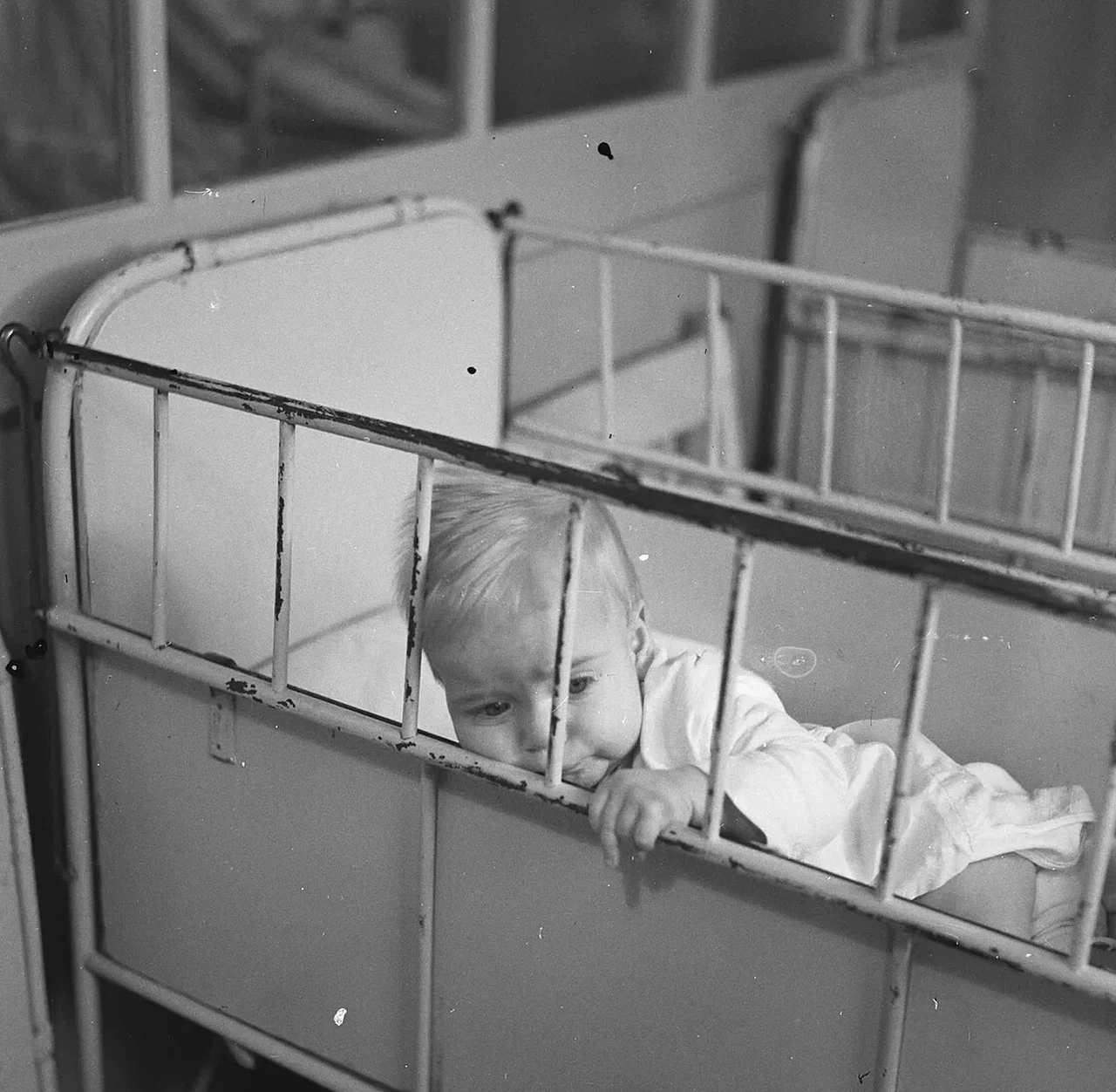
Quick answer: Toddler sleep regressions between 18 months and 4 years are driven by four distinct triggers: oversized daytime naps that erode bedtime sleep pressure, emerging imagination and fear of the dark (starting around age 2 to 3), partial-arousal parasomnias (when an 18-to-36-month-old wakes screaming inconsolably 1 to 3 hours after bedtime), and new milestones like potty training or dropping the final nap.
1–3 hrs
Confusional arousal window
Inconsolable screaming 60–180 min after bedtime is a non-REM partial arousal, not a nightmare.
2–3 yrs
Age fear of the dark begins
Driven by symbolic imagination; use a warm red/amber nightlight (<3 lux), never blue/white.
60–90 m
Max nap cap at 2–3 years
Waking from the midday nap by 2:15 pm protects a 7:30–8:00 pm toddler bedtime.
10–13 h
AASM 24-hour sleep (3–5y)
Compared to 11–14 hours for toddlers aged 1 to 2 years.
Infant sleep disruptions are mostly about hunger and motor skills, but a toddler sleep regression between 18 months and 4 years feels personal: your two-year-old wakes up crying every night at 10:00 pm pushing your hands away, your two-and-a-half-year-old suddenly announces there is a monster in the closet, or your three-year-old uses newly acquired potty-training skills to request four bathroom trips between 7:30 pm and 8:30 pm.
Below is how to diagnose and solve every major toddler and preschool sleep disruption from 18 months to 4 years—including why an 18-month-old wakes up screaming inconsolable, when kids become afraid of the dark, how to handle a potty training sleep regression, and how to handle the 4-year-old sleep regression.
Why Do Toddlers and Preschoolers Have Sleep Regressions (18 Months to 4 Years)?
Confusional arousal is a benign non-REM parasomnia common in toddlers aged 15 months to 4 years in which a child partially wakes from deep slow-wave (N3) sleep 1 to 3 hours after bedtime, crying or thrashing inconsolably for 5 to 25 minutes while remaining neurologically asleep and unresponsive to parental comforting.
Unlike younger infants (whose regressions we mapped in our 4-to-24-month sleep regression ages guide), toddlers between 18 months and 4 years experience sleep disruptions from four specific developmental and circadian mechanisms:
- Slow-wave (
N3) partial arousals (18 to 36 months): When a toddler is overtired from a skipped daycare nap or a late bedtime, their brain rebounds into ultra-deepN3sleep during the first cycle of the night. Ninety minutes later, when transitioning out ofN3, the motor and emotional centres wake up while the conscious cortex stays asleep—causing the classic 18-month-old who wakes up screaming inconsolable or 2-year-old who wakes up crying every night at 9:30 pm. - Symbolic imagination & fear of the dark (2 to 4 years): Around 24 to 30 months, cognitive leaps allow toddlers to imagine objects they cannot see, triggering nighttime fears and curtain calls.
- Daytime nap friction (2.5 to 4 years): Even 30 minutes too much daytime sleep erodes evening homeostatic sleep pressure (
adenosine), turning bedtime into an hour-long stalling battle. - Autonomy & daytime changes (potty training, new sibling, toddler bed transition): Moving out of the crib too early (before age 2.5–3) or starting daytime potty training introduces new nighttime decision-making.
Diagnostic Matrix: Confusional Arousal vs. Nightmare vs. Schedule / Boundary Waking
Comparing a confusional arousal/night terror versus a REM nightmare versus a behavioural or schedule-driven waking tells you immediately how to respond at night.
| Feature | Confusional Arousal / Night Terror | True Nightmare (Bad Dream) | Schedule or Boundary Waking |
|---|---|---|---|
| Time of Night | First third of night (1–3 hours after bedtime, typically 8:30–10:30 pm) |
Last third of night (2:00–6:00 am, during long REM blocks) |
At bedtime (“curtain calls”) or 1:00–5:00 am between cycles |
| Sleep Stage | Deep Non-REM (N3 slow-wave transition) |
REM (dreaming) sleep | Light N1/N2 sleep or fully awake |
| How Toddler Acts | Screaming, arching, glassy-eyed, pushes parent away, looks right through you | Cries out for parent, hugs tightly, calms down when held and reassured | Clear verbal requests (“Want milk,” “Come lie with me,” “Potty”) |
| Morning Memory | Zero memory the next morning | Remembers the scary dream | Remembers waking up |
| Correct Fix | Do not try to wake them; keep lights off, ensure physical safety, pull tomorrow’s bedtime 20–30m earlier | Give a brief, calm 2-minute hug in a dim room, reassure them they are safe, return to bed | Cap midday nap (≤60–90m, wake by 2:00 pm) & hold consistent bedtime routine boundaries |
Why Does My 18-Month-Old or 2-Year-Old Wake Up Screaming Inconsolably?
When an 18-month-old or 2-year-old wakes up crying hysterically between 8:30 pm and 10:30 pm, arches their back when you try to hold them, and stares right through you, they are caught between deep Stage N3 non-REM sleep and wakefulness. Because overtiredness deepens N3 slow-wave sleep, the most effective prevention is moving bedtime 20 minutes earlier or using “scheduled awakening” (gently touching their shoulder 15 minutes before their usual 9:30 pm terror time so they briefly stir and reset the cycle).
When Do Kids Become Afraid of the Dark? (And How to Choose a Nightlight)
Parents often wonder when do kids become afraid of the dark when a child who slept happily in a pitch-black nursery for two years suddenly refuses to let you close the door.
- Under 20–24 months: Babies and young 1-year-olds do not yet have the imaginative capacity to picture monsters in shadows. If a 14-to-20-month-old cries when the lights go out, it is separation protest (wanting you to stay), not fear of darkness—keep the room dark (see our 14-to-20 month sleep schedule).
- 2 to 4 years: True fear of the dark emerges between 24 and 36 months and peaks around ages 3 to 4. Shadows from curtains or monitors get misinterpreted by a creative preschool brain.
- The Red/Amber Nightlight Rule: Never turn on an overhead light or plug in a bright blue, white, or green nightlight—short-wavelength blue/white light suppresses pineal melatonin production within minutes. Instead, plug in a dim warm red or amber nightlight (
<3 lux) near floor level. It provides enough visibility for your toddler to see their bedroom walls clearly while having zero impact on circadian sleep hormones.
How to Handle a Potty Training Sleep Regression
A sleep regression during potty training happens for two reasons: first, daytime bladder awareness makes toddlers tune in to mild pelvic sensations during light sleep transitions at night; second, clever 2.5-to-3-year-olds quickly realize that yelling “I have to go potty!” is the one request parents will never ignore at 8:15 pm.
Keep daytime potty training from derailing night sleep with three rules:
- Treat daytime dryness and nighttime dryness as separate biological milestones: Daytime bladder control is a behavioural skill learned between 20 and 36 months; overnight dryness depends on the pituitary hormone vasopressin (ADH) concentrating urine at night and bladder capacity maturing (which normal paediatric guidelines note can take until ages 4 to 6). Keep an overnight diaper or pull-up on for sleep without guilt.
- Schedule the “Last Call Potty Trip” as Step 2 of your bedtime routine: Have your toddler sit on the potty right before putting on their overnight pull-up and sleep sack, before reading stories.
- The One-Pass Boring Bathroom Rule: If your toddler asks for the potty after lights out, grant one silent, zero-conversation, dim-light bathroom trip. Any second request 5 minutes later gets a calm script: “You already went potty and you have your night-night pull-up on; your body is safe until morning.”
The 3- and 4-Year-Old Sleep Regression: Navigating the Final Nap Drop
Between ages 3 and 4, children need 10 to 13 hours of total 24-hour sleep (AASM consensus). When a 3.5- or 4-year-old takes a 90-minute afternoon nap at preschool or home (from 1:00 pm to 2:30 pm), they only need 9 to 9.5 hours of sleep at night—which means if you put them in bed at 7:30 pm, they will lie awake singing, kicking the wall, or leaving their room until 9:30 pm (or wake up at 5:00 am).
Follow this four-step plan to resolve a 2-, 3-, or 4-year-old sleep regression:
- Audit and cap the afternoon nap using the 2:00 pm hard stop: For 2-to-3-year-olds who still need a nap, cap the nap at
60 to 75 minutesand wake them no later than2:00 pmso a full5.5-to-6-hourevening wake window builds before an7:45–8:00 pmbedtime (check our when to drop to one nap guide and wake window calculator). - Replace the nap with 45 minutes of Quiet Rest Time at age 3 to 4: Once any nap longer than 30 minutes pushes sleep onset past 8:30 pm, transition to no-nap days with 45 minutes of quiet audiobooks, puzzles, or dim-room rest at 1:00 pm, paired with an early 6:45 to 7:15 pm bedtime so they sleep 11.5 hours overnight without an evening cortisol crash ( resulting in fewer confusional arousals).
- Keep your child in a crib and sleep sack until at least age 2.5–3.5 unless climbing: Moving a 20-month-old into an open toddler bed during a sleep regression invites 20 curtain calls a night (see our crib-to-toddler-bed safety guide).
- Use a visual routine chart + 1 Bedtime Pass for 3-to-4-year-olds: Print the routine planner from our Complete Sleep Toolkit Bundle or compare full toddler schedules on our sample schedules hub. Give your preschooler one physical “Bedtime Pass” card good for one quick hug or sip of water; if they still have the pass in the morning, they earn a sticker on their chart.
This article is for educational purposes and is not medical advice. Consult your paediatrician if night terrors occur multiple times a night, involve loud snoring or gasping/apnoea (which can trigger partial arousals), continue past age 5, or pose a safety risk.
Questions
Why does my 18-month-old or 2-year-old wake up screaming inconsolably at night?
When a toddler wakes up screaming, thrashing, or pushing you away 1 to 3 hours after falling asleep (around 9:00–10:30 pm), it is almost always a confusional arousal or night terror during the transition out of deep slow-wave N3 sleep—frequently triggered by overtiredness or a late nap. Stay calm, keep lights dim, avoid shaking them awake, and move bedtime 20 minutes earlier tomorrow.
When do kids become afraid of the dark, and should I add a nightlight?
Children rarely develop a true cognitive fear of the dark before age 2, because it requires symbolic imagination to picture unseen things in shadows—peaking between ages 2.5 and 4. If your toddler asks for a light, use a dim warm red or amber nightlight (under 3 lux) placed low near the floor, which reassures them without suppressing melatonin.
Can potty training cause a sleep regression in toddlers?
Yes. Daytime potty training requires intense cognitive focus on bladder signals and new autonomy, which temporarily causes bedtime stalling ('I need to pee again!') or 4:00 am wake-ups from a wet pull-up. Keep an overnight diaper or pull-up for sleep (nighttime dryness is hormonal and often matures between ages 4 and 6) and build one final bathroom trip into the bedtime routine.
What causes the 3-year-old or 4-year-old sleep regression?
The 3-to-4-year sleep regression is most commonly caused by the 1-to-0 nap transition: even a 45-minute daycare nap at age 3.5 or 4 reduces evening adenosine enough to push sleep onset past 9:00 pm, while skipping the nap completely leaves them overtired by 6:00 pm. Replace the nap with 45 minutes of quiet time and use a 7:00 pm bedtime.
How do I stop my 2- or 3-year-old from stalling at bedtime?
Use a visual 4-step bedtime routine chart, front-load water and the toilet trip before stories, give one 'bedtime pass' card for preschoolers who leave their room, and verify that their afternoon nap ends by 2:00–2:15 pm so they have at least 5.5 hours of awake time before bed.
What is the difference between a night terror and a nightmare in toddlers?
Confusional arousals and night terrors happen in the first third of the night (1–3 hours after bedtime) during deep non-REM sleep; the child's eyes may be open, but they are asleep, inconsolable, and have zero memory in the morning. Nightmares happen in the last third of the night (after 2:00 am) during REM sleep; the child wakes fully, seeks your hug, and remembers the scary dream.
Sources
- Recommended Amount of Sleep for Pediatric Populations: AASM Consensus StatementJournal of Clinical Sleep Medicine (Paruthi et al., 2016)
- Bedtime Routines for Young Children: A Dose-Dependent Association with Sleep OutcomesSleep (Mindell et al., 2015)
- Sleep Terrors, Nightmares and Sleep Problems in Young ChildrenNHS
- Nightmares and Night Terrors in PreschoolersAmerican Academy of Pediatrics / HealthyChildren.org
This guide is educational and does not replace advice from your paediatrician, health visitor or midwife.